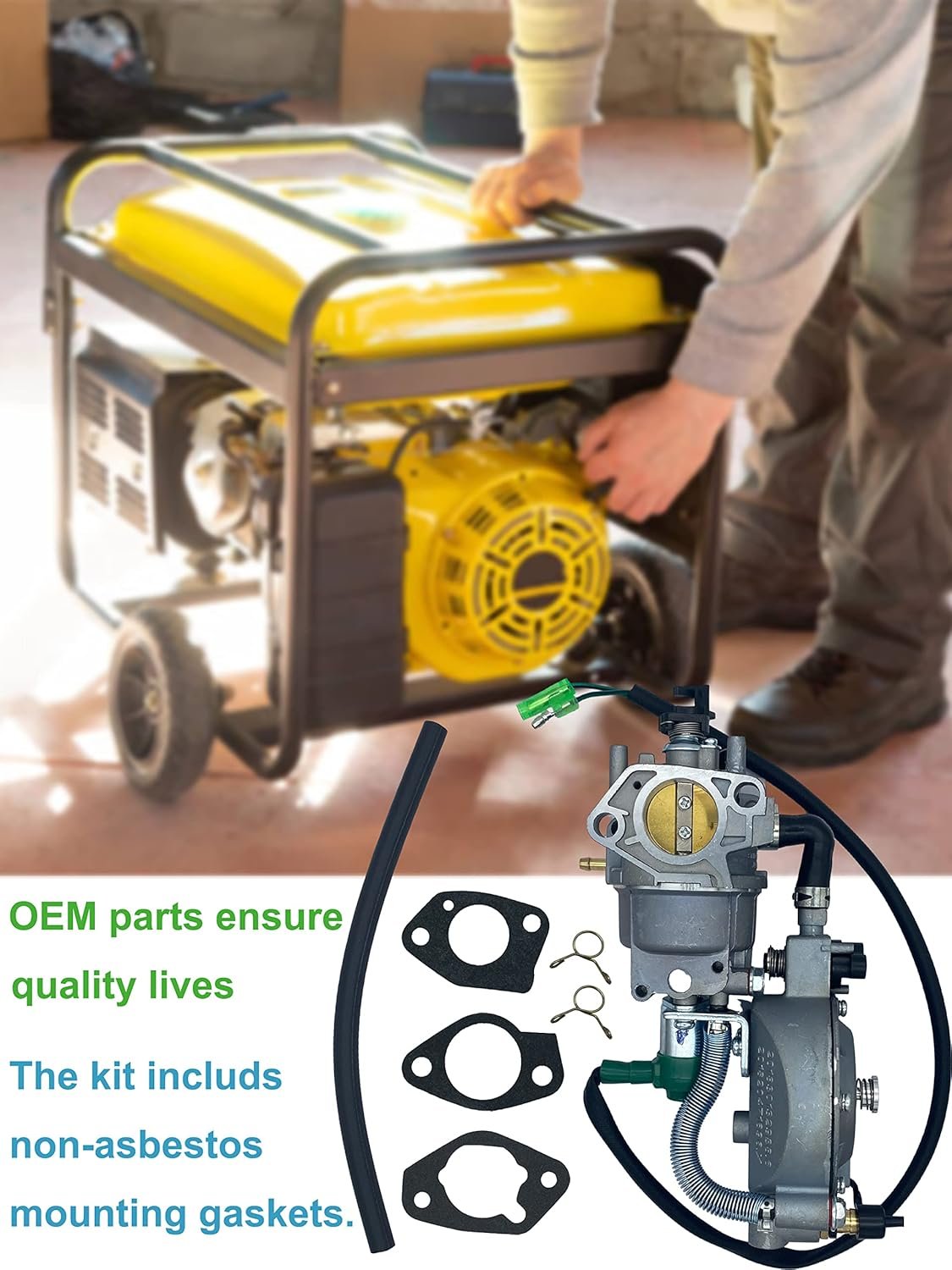
Introduction to Portable Outdoor Generators
Portable outdoor generators are versatile and essential tools for a variety of outdoor activities and emergency situations. Their ability to provide a reliable power source on-the-go makes them a popular choice among different user groups.
The Purpose and Benefits of Portable Outdoor Generators
Portable outdoor generators serve multiple purposes, providing a dependable source of energy when access to the main power grid is unavailable.
Benefits include:
- Versatility: These generators can be used in a wide range of settings, from camping trips to construction sites.
- Reliability: They ensure a consistent power supply, which is critical during emergencies or in remote areas.
- Portability: Designed for mobility, these generators are easy to transport and set up wherever needed.
- Convenience: They offer a quick and straightforward solution for powering various devices and equipment.
For an in-depth look at the advantages and functionalities of different types of portable generators, visit our portable generator buying guide.
Common Uses of Portable Outdoor Generators
Different user groups rely on portable outdoor generators for their specific needs:
- Campers and Outdoor Enthusiasts: Ideal for powering lights, cooking appliances, and electronic devices while enjoying nature.
- Homeowners: Useful during power outages to keep essential appliances running.
- Construction Workers: Provide a reliable source of power for tools and machinery in remote or undeveloped areas.
- Event Organizers: Essential for outdoor events to power sound systems, lighting, and other equipment.
- Boaters: Supply energy for onboard systems and appliances.
- Tailgaters: Perfect for powering grills, televisions, and other tailgating essentials. For more information, check out our guide on choosing the right generator for tailgate parties.
- Farmers and Ranchers: Useful for operating equipment and tools in fields or barns where electricity is scarce.
| User Group | Common Uses |
|---|---|
| Campers | Lights, cooking appliances, electronic devices |
| Homeowners | Essential appliances during power outages |
| Construction Workers | Tools and machinery |
| Event Organizers | Sound systems, lighting, event equipment |
| Boaters | Onboard systems and appliances |
| Tailgaters | Grills, televisions, tailgating essentials |
| Farmers and Ranchers | Operating equipment and tools |
Understanding the uses and benefits of portable outdoor generators can help in selecting the right model for your needs. For tips on choosing a fuel-efficient generator, visit our article on how to choose a fuel-efficient portable generator.
Types of Portable Outdoor Generators
Understanding the different types of portable outdoor generators can help users choose the best option for their needs. These generators come in various forms, each with distinct features and advantages.
Inverter Generators
Inverter generators are a popular choice for outdoor enthusiasts due to their efficiency and portability. These generators produce clean and stable power, making them ideal for sensitive electronic devices like laptops and smartphones. They operate quietly and are fuel-efficient, which is beneficial for long-term use.
| Feature | Description |
|---|---|
| Power Output | 1,000 – 4,000 watts |
| Fuel Efficiency | High |
| Noise Level | 50-60 dBA |
| Portability | Lightweight and compact |
For more information on how inverter technology benefits portable generators, visit our article on benefits of using inverter technology in portable generators.
Conventional Generators
Conventional generators, also known as open-frame generators, are known for their robust power output. These generators are suitable for heavy-duty tasks, such as construction work or providing backup power for homes during emergencies. Although they are typically louder and bulkier than inverter generators, they can supply a higher wattage.
| Feature | Description |
|---|---|
| Power Output | 3,000 – 10,000 watts |
| Fuel Efficiency | Moderate |
| Noise Level | 70-80 dBA |
| Portability | Less portable, often equipped with wheels |
To learn more about choosing the right generator for specific uses, such as tailgate parties, read our guide on choosing the right generator for tailgate parties.
Solar-Powered Generators
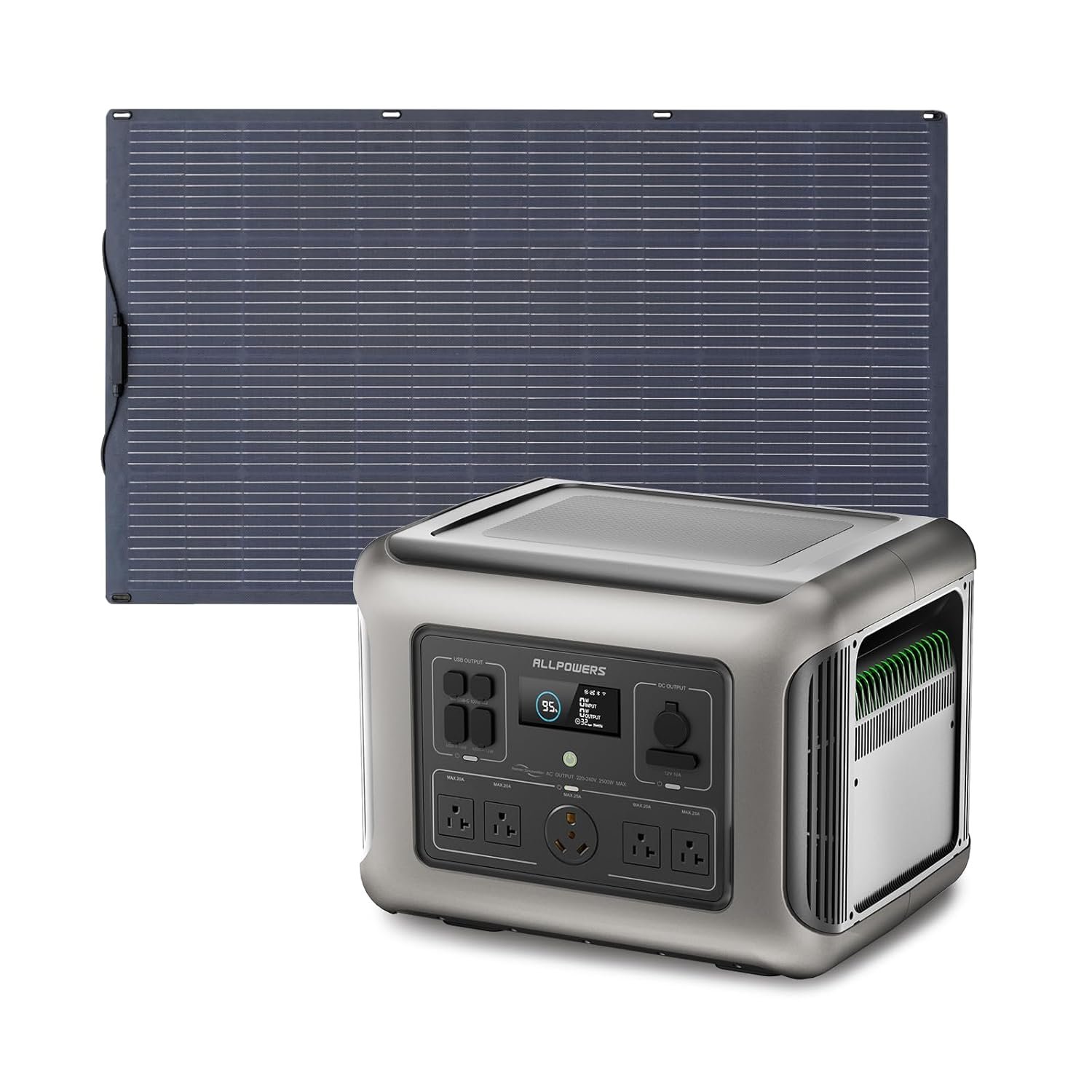
Solar-powered generators harness energy from the sun, offering an eco-friendly alternative to traditional generators. These generators are silent and emission-free, making them perfect for environmentally conscious users. However, their power output is generally lower than that of fuel-based generators, and they depend on sunlight availability.
| Feature | Description |
|---|---|
| Power Output | 100 – 2,000 watts |
| Fuel Efficiency | N/A (solar energy) |
| Noise Level | Silent |
| Portability | Lightweight and easy to transport |
For more details on the benefits and usage of solar-powered generators, check out our article on benefits and usage of solar-powered portable generators.
Each type of portable outdoor generator has its own set of advantages, making it suitable for different applications. Whether one needs a generator for camping, home backup, or construction work, understanding these options helps in making an informed decision. For additional guidance on selecting the right generator, refer to our portable generator buying guide.
Factors to Consider When Choosing a Portable Outdoor Generator
When selecting a portable outdoor generator, several factors need to be taken into account to ensure you choose the right one for your needs. These factors include power output and wattage, fuel type and efficiency, and noise level and portability.
Power Output and Wattage
The power output of a generator is measured in watts and determines how many devices it can power simultaneously. It’s important to calculate the total wattage of the devices you plan to use with the generator. This ensures the generator can handle the load without overloading.
| Appliance | Starting Wattage | Running Wattage |
|---|---|---|
| Refrigerator | 1200 | 200 |
| Microwave | 1000 | 1000 |
| Air Conditioner | 2200 | 1500 |
| Laptop | 200 | 200 |
| LED TV | 200 | 200 |
For more detailed information on how to calculate your power needs, check out our portable generator buying guide.
Fuel Type and Efficiency
Portable outdoor generators can run on various types of fuel, including gasoline, propane, and diesel. Each fuel type has its advantages and disadvantages, impacting the generator’s efficiency and maintenance needs.
| Fuel Type | Pros | Cons |
|---|---|---|
| Gasoline | Widely Available, High Energy Output | Short Shelf Life, Higher Emissions |
| Propane | Clean Burning, Long Shelf Life | Requires Propane Tanks, Lower Energy Density |
| Diesel | Fuel Efficient, Long-Lasting | Noisy, Limited Availability |
Choosing the right fuel type for your generator can significantly affect its performance and cost-efficiency. For more insights, visit our article on how to choose a fuel-efficient portable generator.
Noise Level and Portability
The noise level of a generator is measured in decibels (dB). Quieter generators are generally preferred for camping or tailgating, whereas noise may be less of a concern on construction sites. Additionally, the portability of a generator, including weight and design features like wheels and handles, is crucial for ease of transport and storage.
| Generator Type | Noise Level (dB) | Weight (lbs) |
|---|---|---|
| Inverter Generator | 50 – 60 | 40 – 60 |
| Conventional Generator | 70 – 90 | 100 – 250 |
| Solar-Powered Generator | 0 (Silent) | 20 – 50 |
For more tips on selecting a generator with the right noise level and portability features, check out our article on the mobility and convenience of wheeled portable generators.
By considering these key factors—power output, fuel type, and noise level—you can make an informed decision when choosing a portable outdoor generator that best suits your specific needs. For additional information on maintaining and safely operating your generator, visit our sections on portable generator maintenance and portable generator safety tips.
Maintenance and Safety Tips for Portable Outdoor Generators
Proper maintenance and safety precautions are essential for ensuring the longevity and reliable performance of portable outdoor generators. This section covers regular maintenance practices, safety precautions, and proper storage and transportation methods.
Regular Maintenance Practices
Maintaining a portable outdoor generator involves several routine checks and procedures. Regular maintenance ensures that the generator operates efficiently and lasts longer. Key maintenance tasks include:
- Oil Changes: Regularly change the oil according to the manufacturer’s recommendations. Typically, oil should be changed every 50-100 hours of operation.
- Air Filter Cleaning/Replacement: Clean or replace the air filter to ensure proper airflow and engine efficiency. Check the filter every 25-50 hours of operation.
- Spark Plug Inspection: Inspect and replace the spark plug if necessary. This helps in maintaining smooth engine performance.
- Fuel System Maintenance: Keep the fuel tank and fuel lines clean. Use a fuel stabilizer to prevent fuel degradation.
- Battery Maintenance: For generators with electric starters, check the battery regularly and keep it charged.
| Maintenance Task | Frequency |
|---|---|
| Oil Change | Every 50-100 hours |
| Air Filter Cleaning | Every 25-50 hours |
| Spark Plug Inspection | Every 100 hours |
| Fuel System Check | Every 100 hours |
| Battery Maintenance | Monthly |
For detailed maintenance practices, visit our portable generator maintenance guide.
Safety Precautions when Operating Generators
Safety is paramount when operating portable outdoor generators. Following these precautions can prevent accidents and ensure safe operation:
- Proper Ventilation: Always operate the generator in a well-ventilated area to avoid carbon monoxide buildup. Never use it indoors or in enclosed spaces.
- Dry Conditions: Keep the generator dry to prevent electrical shocks. Use a canopy or tent designed for generators if operating in wet conditions.
- Grounding: Ensure the generator is properly grounded to prevent electrical hazards.
- Fuel Handling: Store fuel in approved containers and refuel the generator when it is turned off and has cooled down.
- Regular Inspections: Conduct regular inspections for any signs of wear, damage, or leaks.
For more safety tips, refer to our portable generator safety tips article.
Proper Storage and Transportation of Generators
Proper storage and transportation of portable outdoor generators are crucial for maintaining their condition and ensuring safety:
- Storage: Store the generator in a clean, dry place. If storing for an extended period, drain the fuel tank or add a fuel stabilizer.
- Covering: Use a generator cover to protect it from dust and debris.
- Transportation: Secure the generator during transportation to prevent movement and damage. Use appropriate lifting techniques or equipment to move the generator.
| Storage & Transportation Tips | Details |
|---|---|
| Storage Location | Clean, dry place |
| Fuel Management | Drain fuel or add stabilizer |
| Cover | Use a generator cover |
| Transportation Security | Secure generator to prevent movement |
For comprehensive guidelines, check our tips for maintaining and servicing portable generators page.
By following these maintenance and safety tips, users can ensure their portable outdoor generators remain reliable and safe for various applications.