
Have we ever wished our camping trips had a little more comfort without hauling around a huge, noisy generator?

Why We Chose the PowerSmart 1200-Watt Portable Generator
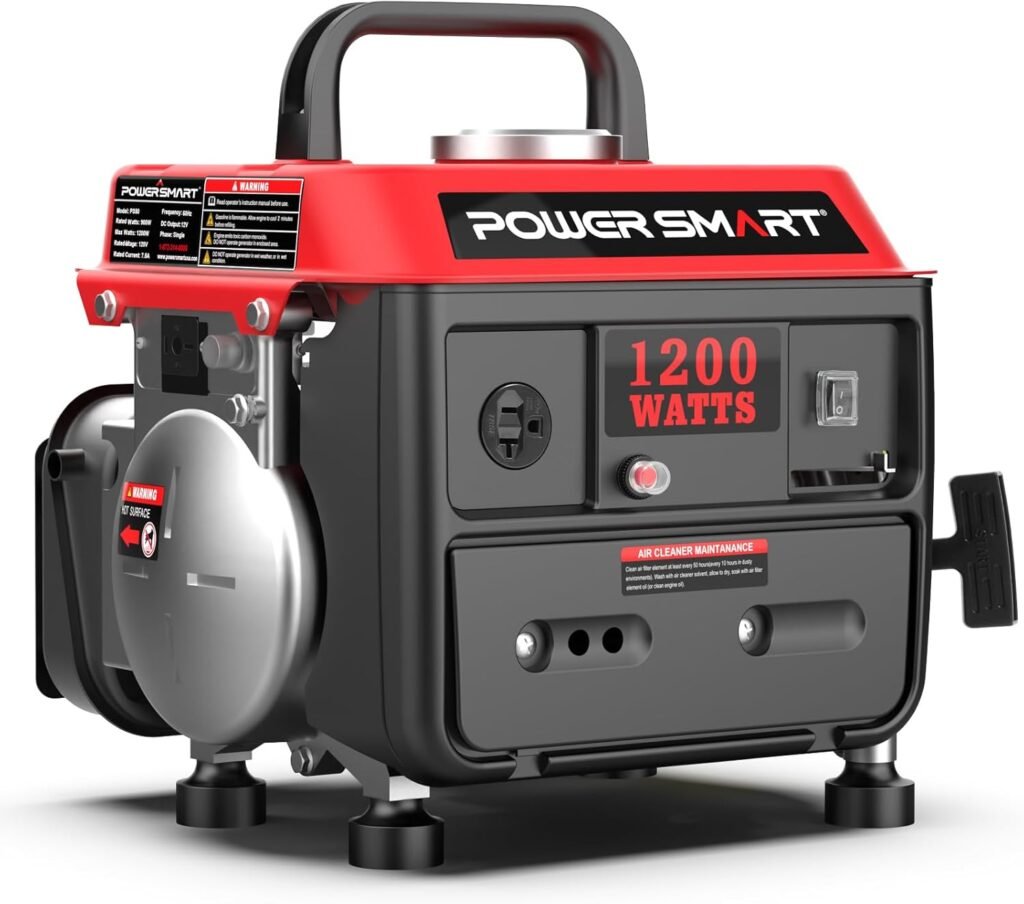
When we started looking for a compact power source for camping and tailgating, we wanted something small, light, and quiet that could still handle the basics. The PowerSmart 1200-Watt Portable Generator with Super Quiet, Ultralight for Camping seemed like it could check all those boxes.
This generator focuses on portability and simplicity rather than raw power. It is built for campers, RV users, tailgaters, and anyone who needs a lightweight, easy-to-use backup for essentials rather than a whole-house solution.
Key Features at a Glance
To get a quick understanding, it helps to see what this unit offers on paper. The PowerSmart 1200-Watt Portable Generator is designed as a compact, 2‑stroke, gas-powered unit with just enough output to run small electronics and light appliances.
Here is a summary of the main specs and features:
| Feature | Details |
|---|---|
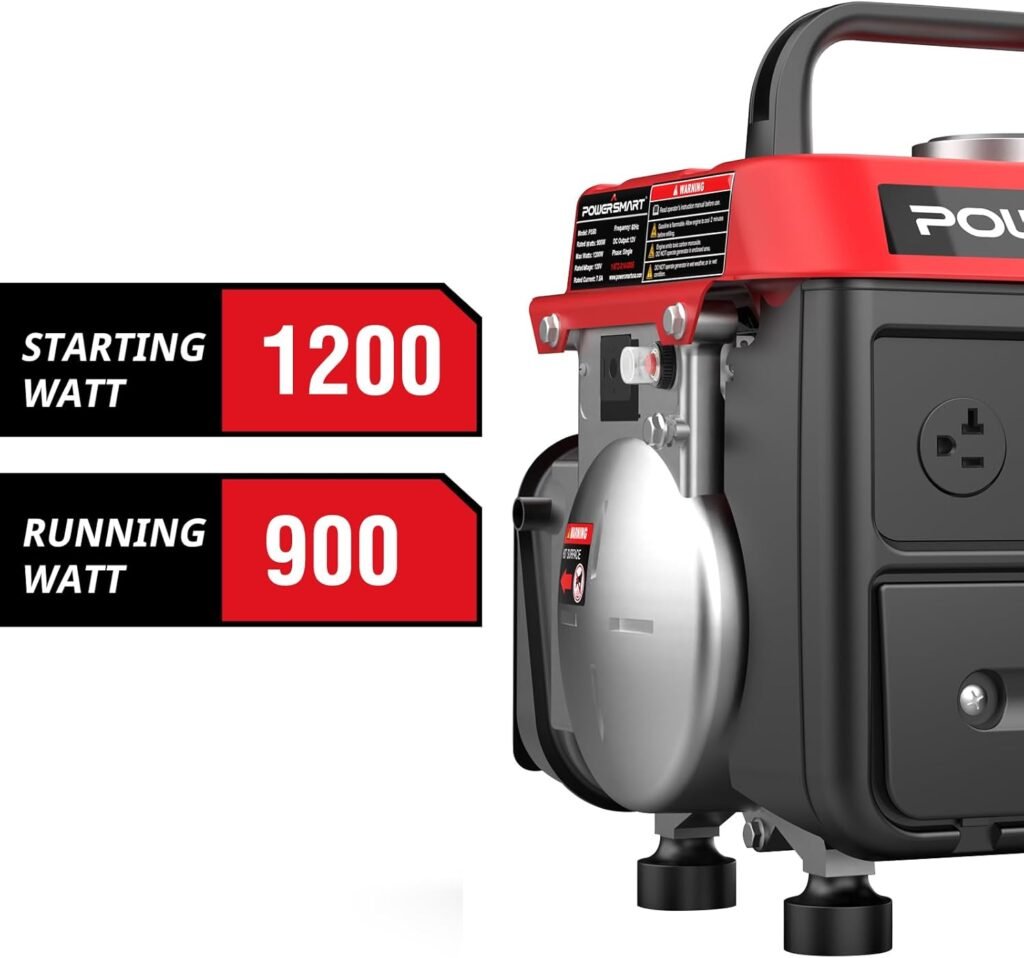
| Starting Wattage | 1200 watts |
| Running Wattage | 900 watts |
| Weight | 37.6 pounds |
| Fuel Type | 50:1 gasoline to 2‑stroke oil mixture |
| Fuel Tank Capacity | 1.1 gallons |
| Run Time | Up to ~5 hours at 50% load |
| Outlets | (1) 120V AC household outlet, (1) 12V DC output |
| Intended Use | Camping, tailgating, light outdoor and emergency use |
| Maintenance Needs | No oil changes required (2‑stroke design) |
| Overall Design | Compact, durable, built-in carry handle, “super quiet” positioning |
We appreciate that everything about this unit is centered around practical use on the go. It’s not a complex, heavy-duty generator; it is designed to be as easy as possible to move, start, and maintain.
Power Output: What 1200 Starting / 900 Running Watts Really Means
Understanding the Wattage for Real-World Use
We often see watt numbers on generators and wonder what they truly mean in our daily life. With 1200 starting watts and 900 running watts, this generator is clearly not meant to run large appliances, but it is more than capable of handling small essentials and devices.
The starting wattage helps with the initial surge when an appliance kicks on. The running wattage shows what it can sustain over time. For camping situations, that typically translates to lights, phones, a small fan, a laptop, a small TV, or similar low-draw items.
Examples of What We Can and Cannot Run
To give a sense of practicality, here is how the power level usually applies:
-
Things we can typically run:
- Phone chargers and tablets
- Laptops or notebooks
- LED string lights or campsite lighting
- Small fans
- Small electric pumps for inflating air mattresses (short bursts)
- Radios, small stereos, or portable speakers
- Some smaller TVs or monitors (check watt rating first)
-
Things that are usually too heavy for this size:
- Electric space heaters
- Full-size refrigerators
- Large air conditioners
- Microwaves (most are 900W+ by themselves)
- Power tools with high startup draw (large saws, air compressors)
In short, this generator is ideal for comfort items, electronics, and light power needs rather than big appliances. That aligns perfectly with camping, tailgating, and short-term emergency use for communication devices.

Super Quiet Operation: How Quiet Is “Quiet”?
Noise Level in a Campsite Context
The product describes itself as “super quiet,” which is a big claim for any generator, especially one for camping. While exact decibel numbers are not listed in the details we have, we can consider general expectations for a small, portable unit designed for outdoor recreation.
In typical use, small camping generators in this class are often quiet enough to have a normal conversation nearby, especially at partial loads. We would still hear it, but it tends to be more of a steady hum than a harsh roar.
Practical Considerations Around Noise
In a campground:
- We would likely place the generator a bit away from our main seating area.
- At 50% load, noise is usually lower than at full load.
- With trees, tents, or an RV between us and the generator, the sound softens more.
If we camp at noise-sensitive sites, we should still check campground rules about generator hours and decibel limits, but this unit is clearly aimed at being less intrusive than larger conventional models. For tailgating or working in the yard, the noise level should be comfortable enough not to dominate the environment.
Portability and Weight: Ultralight for Camping
Carrying and Transporting the Unit
Weighing only 37.6 pounds and built with an integrated handle, this generator is a manageable carry for most adults. It is not feather-light like a small battery pack, but in the world of gas generators, this is very easy to move around.
We can:
- Lift it in and out of a trunk or truck bed without needing a second person.
- Carry it from our car to the campsite or tailgate spot in one trip.
- Shift it around the yard as needed for outdoor projects or events.
The compact design means it takes up less space than a large cooler. That matters when we are packing a car or SUV fully for a weekend trip.
Why Portability Matters for Camping
When we go camping, every pound and every inch of trunk space starts to matter. A bulky generator can be such a burden that we simply leave it at home. With this PowerSmart unit, the trade-off is clear: we accept a smaller power capacity in return for an easy-to-carry, easy-to-store tool.
For us, that is often the difference between actually bringing power to the campsite versus going without.
Fuel and Run Time: Using the 1.1 Gallon Tank Efficiently
How Long We Can Expect It to Run
The generator’s 1.1 gallon fuel tank is rated to run for about 5 hours at 50% load. That means if we are pulling roughly half the rated capacity (around 450 watts), we can expect around five hours of continuous operation before needing to refuel.
In more practical terms, for a typical camping day, we might:
- Run it for a few hours in the evening to charge devices, power some lights, and perhaps a small TV.
- Turn it off overnight.
- Use it again in the morning for coffee makers with low wattage, chargers, or other basics, if they fit within the power limits.
Balancing Run Time and Fuel Use
We get the best runtime when we are not pushing the generator to its maximum. If we run fewer devices or lower-draw items, the engine is under less stress and tends to be more fuel efficient.
A smart way to use it:
- Group our charging tasks: run the generator long enough to top off all batteries (phones, power banks, laptops).
- Turn it off once our essential devices are fully charged.
- Use stored power (in battery banks) during quiet hours.
This style reduces both noise and fuel use while still giving us the benefits of a powered campsite.
Power Outlets: What Connections We Get
120V AC Household Outlet
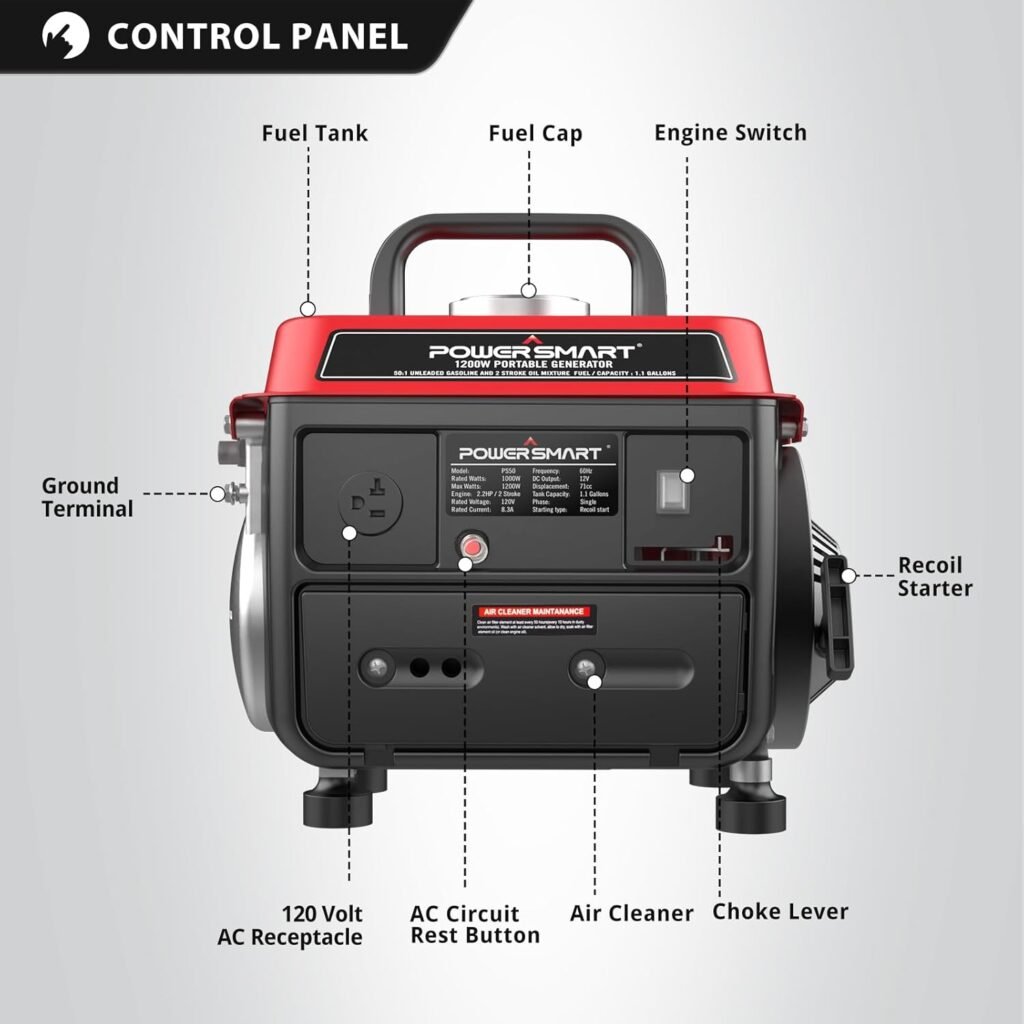
The generator includes (1) standard 120V household outlet. This is the primary connection for most of our gear and small appliances. It is the same type of outlet we use at home, so there is no learning curve.
We can plug in:
- Extension cords with multiple plugs
- Power strips (within total wattage limits)
- Single devices directly
We just need to be mindful not to overload that single outlet with too many high-watt items at once.
12V DC Output
The (1) 12V DC output is a nice extra that allows us to charge certain devices or battery units directly. This can be handy for:
- Charging 12V batteries
- Some camping gear that uses 12V plugs
- Certain portable fridges or coolers designed for 12V
Using the DC output can sometimes be more efficient for certain devices than converting from AC to DC through separate adapters.
Clean Power for Sensitive Electronics
Why “Clean Power” Matters
The product emphasizes “clean power” for phones, notebooks, and other sensitive equipment. Clean power usually refers to relatively stable voltage and frequency with low electrical noise, which reduces the risk of damaging delicate circuits.
For us, this means we can comfortably plug in:
- Smartphones
- Tablets
- Laptops
- Cameras
- Portable speakers
- Gaming handhelds
We still recommend using surge protectors and quality power strips for extra peace of mind, but the generator is intended to be safe for typical modern electronics.
Good Practices When Powering Our Devices
Even with clean power, we can help our devices and the generator by:
- Avoiding sudden heavy loads while small electronics are charging.
- Not letting cables and power strips sit in damp areas around camp.
- Turning off and unplugging the generator before connecting or disconnecting larger items.
These habits make the entire setup safer and more reliable.
Fuel Mixture: 50:1 Gasoline to 2‑Stroke Oil
What the 50:1 Mix Means
This generator uses a 2‑stroke engine design, which requires mixing gasoline with 2‑stroke engine oil at a 50:1 ratio. That means for every 50 parts of gasoline, we add 1 part of the proper 2‑stroke oil.
In more practical terms, for 1 gallon of gasoline:
- We add approximately 2.6 ounces of 2‑stroke oil.
We can buy pre-measured bottles of 2‑stroke oil for convenience, or measure our own quantities using a measuring container. Always check the oil packaging to confirm correct amounts for 50:1.
Pros and Cons of a 2‑Stroke Design
Advantages:
- No traditional oil changes: the oil is mixed with the fuel, so we do not have a separate crankcase oil system to service regularly.
- Simple engine construction with fewer parts.
- Lightweight, suitable for portable gear.
Disadvantages:
- We must always remember to mix fuel correctly.
- Running the generator on pure gasoline without oil can damage the engine.
- Some people notice a distinct 2‑stroke exhaust smell, which we should keep downwind.
As long as we are careful with the fuel mix, the 2‑stroke design keeps maintenance straightforward.
Ease of Assembly and Use
Getting Started Out of the Box
The product description notes that it is “easy to assemble,” which generally means setup is minimal. Usually, with small generators like this, we can expect the following steps:
- Unbox and remove any protective packaging.
- Check the manual for initial setup instructions.
- Mix our fuel at the 50:1 ratio and fill the 1.1 gallon tank.
- Check the spark plug area, air filter, and any transport screws as directed.
- Start the generator using the recommended procedure (often a choke, pull-start, and warm-up period).
We should always follow the manual’s steps carefully the first time to ensure safe, reliable operation.
Day-to-Day Operation
Once set up, daily use is generally straightforward:
- Set the generator on a level, stable surface outdoors.
- Keep it away from tents, doors, and enclosed spaces to avoid carbon monoxide buildup.
- Turn on the fuel valve or switch as directed.
- Pull the start cord while using the choke properly.
- Let it warm up, then plug in our devices.
The no-oil-change aspect simplifies ownership, especially for those of us who do not enjoy frequent mechanical maintenance.
Durability and Design for Outdoor Activities
Compact, Tough Construction
The generator is described as durable and compact, which makes it suitable for being transported frequently. That matters because camping and tailgating involve rougher use than simply sitting in a garage.
A compact form factor helps in several ways:
- It is less likely to be bumped or kicked as we move around camp.
- It can fit in small storage spaces in cars, RV compartments, or sheds.
- It is easier to reposition if we want it further from our tent or seating area.
Handling Outdoor Conditions
While it is designed for outdoor activities, we still need to treat it with care:
- Avoid running it in rain or standing water.
- Place it on dry, level ground.
- Keep dust and debris away from the vents and intake.
With reasonable care, the solid construction and simple layout should help it withstand regular weekend use for a long time.
Camping Use: How It Fits Into Our Trips
Power for Comfort and Convenience
For camping, the PowerSmart 1200-Watt Portable Generator shines as a way to bring modern comfort into rustic settings. We can:
- Keep everyone’s phones charged, which is helpful for safety, maps, and photos.
- Run LED lights around the campsite for a cozy, well-lit evening setup.
- Power a small fan in a tent or trailer to make hot nights more comfortable.
- Charge laptops or tablets for work, movies, or kids’ entertainment on rainy days.
Knowing we have a steady power source can make longer trips more manageable, especially when we are off-grid.
Respecting Campground Etiquette
Even with a quiet generator, we need to be considerate of others:
- Run the unit mainly during designated generator hours (many campgrounds have rules).
- Place the generator as far as practical from neighbors.
- Use it for practical needs rather than running it nonstop.
When used thoughtfully, this small generator can make our camping life easier without turning the campsite into a noisy machine zone.
Tailgating and Outdoor Events
Powering Game Day Essentials
At a tailgate, we often want to run:
- A small TV for pregame shows
- Portable speakers or a small sound system
- Phone and tablet chargers
- String lights or small fans in a canopy area
This is exactly where a 1200 starting / 900 running watt generator performs well. We do not need massive capacity; we need something that is easy to transport, set up, and run throughout the event.
Mobility Between Events
Because it is only 37.6 pounds with a built-in handle, this unit can easily move from the garage to the car, and from the car to the parking lot spot. We can pack it along with chairs, coolers, and grills without feeling like it dominates the load.
Emergency and Backup Use at Home
Limited but Useful Backup Power
This generator is not a whole-house emergency solution, but it can be a very handy backup for small-scale needs when the power goes out. In a short-term outage, we can use it to:
- Charge phones, power banks, and laptops to stay connected.
- Run a modem/router (if our internet still works in a blackout scenario).
- Power LED lamps or small lights for visibility.
- Keep medical or safety-related small electronics charged (if they fit within the wattage limit).
While we likely cannot run large refrigerators or microwaves, having simple communications and lighting can make a big difference.
Safe Use During Emergencies
We need to keep all standard generator safety rules in mind:
- Never run the generator indoors or in enclosed spaces like garages or porches.
- Keep it far from windows and doors.
- Use heavy-duty, outdoor-rated extension cords.
- Avoid backfeeding electricity into house outlets; use only safe, recommended connection methods.
Used correctly, this generator can be a reassuring backup tool when storms or outages hit.
Maintenance and Long-Term Care
Routine Checks
Even though the 2‑stroke design removes traditional oil changes, we still have a few basic maintenance tasks to keep the generator healthy:
- Check and clean or replace the air filter as recommended.
- Inspect the spark plug periodically and replace if worn.
- Ensure fuel lines and caps are secure and not leaking.
- Run the generator occasionally, even when not in use, to keep it in good working order.
Regular light maintenance avoids unpleasant surprises when we need power the most.
Fuel Storage and Off-Season Care
If we store the unit for long periods:
- Use fresh, properly mixed 50:1 fuel.
- Consider adding a fuel stabilizer if it will sit for months.
- Run the generator occasionally to circulate fuel and keep internal parts lubricated.
- Store it in a dry, sheltered place away from open flames or heat sources.
Taking a few minutes at the end of a season can extend the unit’s lifespan significantly.
Advantages of the PowerSmart 1200-Watt Portable Generator
What We Like Most
Several aspects stand out as strong advantages:
-
Portability
The 37.6-pound weight and built-in handle make this one of the more manageable gas generators we can carry on our own. -
Simplicity
No complicated electronics, no separate oil change schedule. Just proper fuel mixing, basic checks, and we are ready. -
Clean Power for Electronics
The unit is marketed as suitable for phones, notebooks, and other sensitive gear, which aligns well with modern camping habits. -
Decent Run Time for Its Size
Up to about 5 hours at 50% load on a 1.1 gallon tank is respectable for short trips and evening use. -
Ideal for Camping and Tailgating
The advertised quiet operation, compact design, and power level match common outdoor leisure needs.
Value for the Intended Use
For its category, the PowerSmart 1200-Watt Portable Generator offers good value when we use it as intended: small loads, portable use, and outdoor recreation. If we expect it to act like a large home backup generator, we will be disappointed, but within its designed role, it performs well.
Limitations We Should Be Aware Of
Power Capacity Constraints
The biggest limitation is the natural one: 900 running watts is not a lot for heavy-duty needs. We must plan our device usage carefully:
- Only run one power-hungry device at a time (if any).
- Check appliance wattage labels before plugging in.
- Use LED lights instead of incandescent ones to save power.
This generator is about smart usage, not brute force.
2‑Stroke Fuel Requirements
Another limitation is the need to maintain the proper 50:1 fuel mixture. For some users, that is no problem; for others, it can be a bit of a hassle compared to simple straight gasoline engines.
If we are careless with mixing:
- We risk poor performance or even engine damage.
- Too much oil can cause excessive smoke and deposits.
- Too little oil can damage internal parts due to poor lubrication.
Paying attention during fuel preparation is essential.
Comparing to Larger or Different Types of Generators
How It Compares to Bigger Gas Generators
Larger generators often provide:
- 3000+ running watts
- Multiple AC outlets
- Capability to run heavy appliances
But they also typically:
- Weigh much more
- Make more noise
- Take up a lot of space
If we need to power a refrigerator, microwave, and power tools all at once, we would need a much larger unit. For pure camping and light recreational use, that extra capacity often goes wasted while we carry more weight and deal with more noise.
How It Compares to Battery Power Stations
Battery power stations:
- Are quieter (essentially silent).
- Require no fuel or exhaust management.
- Often cost more for comparable usable energy.
- Eventually need recharging from a wall, vehicle, or solar.
A small gas generator like the PowerSmart 1200-Watt can keep refueling as long as we have gasoline and oil, making it more flexible for extended off-grid use. A battery station is great for short periods of quiet operation; the generator is better for multiple days if we can bring enough fuel.
Ideal Users for the PowerSmart 1200-Watt Portable Generator
Who Will Benefit Most
We see this generator as a great fit for:
- Casual campers who want to add charging and light power without carrying a big, heavy machine.
- Tailgaters who need to run a TV, small sound system, and chargers on game day.
- Outdoor hobbyists (fishing, hunting, small RV trips) who need a compact backup.
- Homeowners looking for a simple, low-cost backup for electronics, lights, and communication devices during occasional outages.
If our needs align with these categories, this generator can be a very practical tool.
Who Might Need Something Else
We might want a larger or different generator if:
- We want to power large appliances like air conditioners or big refrigerators.
- We plan to run heavy tools regularly.
- We prefer no-fuel, silent solutions and have the budget for large battery systems.
- We do not want to deal with 2‑stroke fuel mixing at all.
Matching expectations to reality is key. When used in its intended niche, the PowerSmart 1200-Watt performs well.
Practical Tips for Using This Generator Effectively
Managing Loads and Priorities
To get the most from the 900 running watts:
- Identify essential devices (phones, lights, maybe a laptop).
- Run high-draw items one at a time.
- Use power strips with individual switches to control loads easily.
- Turn off devices that are not active.
We can also label cords and strips so everyone in our group knows what is safe to plug in and when.
Keeping It Quiet and Neighbor-Friendly
Even though it is designed to be quiet, we can further reduce impact:
- Place the unit on a rubber mat or firm ground (not on a resonant surface like a hollow deck).
- Position it behind a natural barrier like a vehicle or a small hill, ensuring safe ventilation.
- Run it mainly when others are active and expect some noise, not late at night or very early.
Small touches like these help maintain good relationships with nearby campers or neighbors.
Safety Considerations We Should Always Remember
Carbon Monoxide and Ventilation
All gas generators produce carbon monoxide, which can be deadly in enclosed or partly enclosed spaces. We must:
- Never run this generator indoors, in garages, or in tents.
- Keep it far from windows, doors, and vents.
- Point the exhaust away from people and structures.
A portable carbon monoxide detector is a wise addition to any generator setup, especially for camping around vehicles or RVs.
Fire and Fuel Handling
Fuel must be handled carefully:
- Store gasoline and 2‑stroke oil in proper, approved containers.
- Turn off the generator and let it cool before refueling.
- Avoid spilling fuel on a hot engine.
- Keep fuel containers away from open flames, cigarettes, and campfires.
Respecting fuel safety ensures our trips remain enjoyable and incident-free.
Our Overall Impression of the PowerSmart 1200-Watt Portable Generator
After looking closely at what this unit offers, we see the PowerSmart 1200-Watt Portable Generator with Super Quiet, Ultralight for Camping as a purposeful tool for specific needs rather than a one-size-fits-all solution. It combines light weight, simple operation, and enough power to keep modern campers and tailgaters comfortable and connected.
We appreciate:
- Its portability and compact footprint.
- Its focus on clean power for electronics.
- The convenience of a no-oil-change, 2‑stroke design (as long as we respect the 50:1 mix).
- The reasonable runtime on a modest fuel tank.
We remain mindful of its limitations:
- 900 running watts requires us to plan our usage and avoid big appliances.
- The fuel mixture demands attention and correct measuring.
- It is not meant to be a full household backup generator.
For campers, weekend travelers, and people who want a small, practical power source without hauling a giant machine, this generator fits nicely. With thoughtful use and basic care, the PowerSmart 1200-Watt Portable Generator becomes a reliable companion for our outdoor adventures and small-scale power needs.
Disclosure: As an Amazon Associate, I earn from qualifying purchases.