
Have we ever wished we could bring reliable, quiet, portable power anywhere without dealing with gas, fumes, or constant maintenance?

Overall Impressions of the RYOBI 40V 1800-Watt Portable Battery Power Station
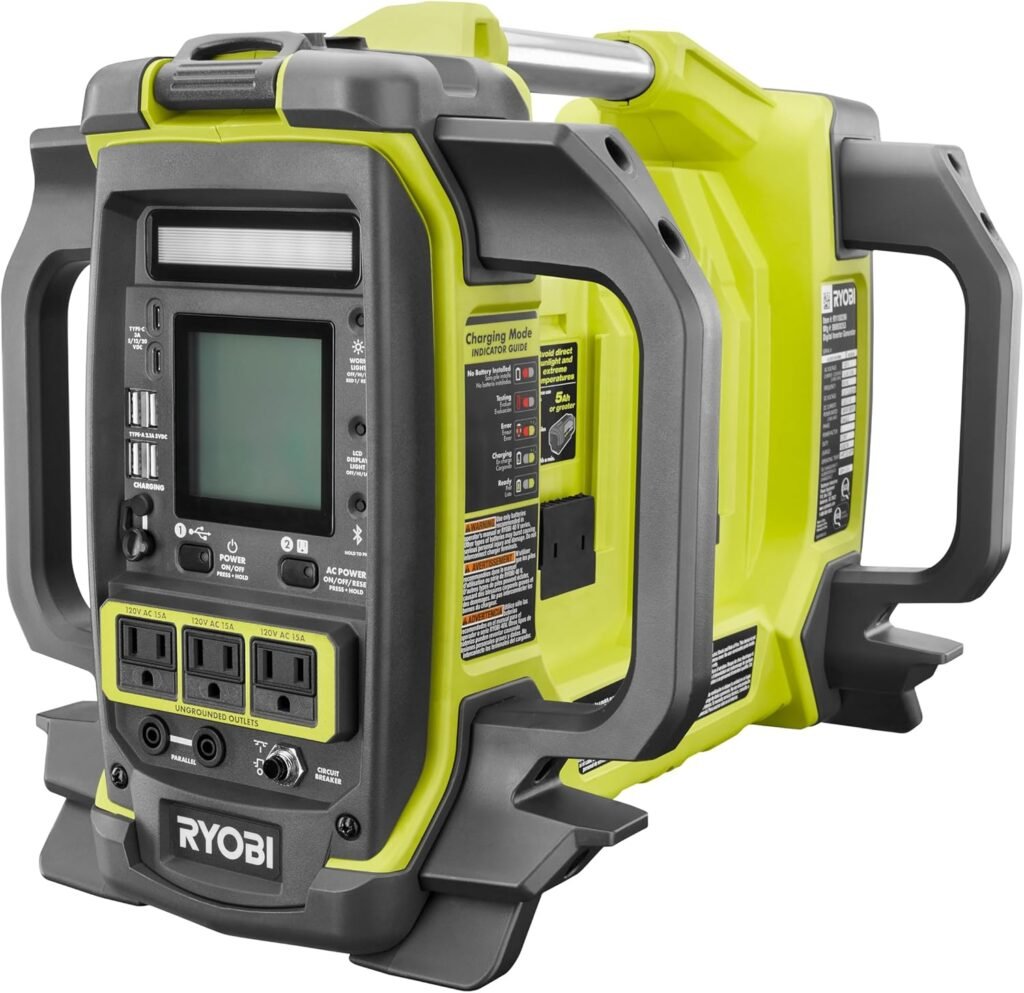
We see the RYOBI 40V 1800-Watt Portable Battery Power Station Inverter Generator (Tool ONLY – Batteries NOT Included) as a smart, modern alternative to traditional gas-powered generators. It bridges the gap between small power banks and noisy gas units, giving us serious power with far less hassle.
This unit is built for anyone who wants flexible, clean power: homeowners, campers, DIY enthusiasts, tailgaters, and even those of us planning for emergencies at home. It’s not perfect, but it brings a lot of value if we already own (or plan to own) RYOBI 40V batteries.
Key Features at a Glance
This power station centers around battery flexibility, clean output, and user-friendly controls. The design is straightforward, and we don’t have to be a power expert to get the most from it.
To make things easier to scan, here’s a quick breakdown of the main specs and capabilities.
| Feature | Details |
|---|---|
| Power Type | Battery-powered inverter generator |
| Battery Platform | RYOBI 40V lithium (batteries NOT included) |
| Battery Ports | 4 ports (works with 1, 2, 3, or 4 batteries) |
| Starting Watts | 3,000 watts |
| Running Watts | 1,800 watts |
| AC Outlets | (3) 120V AC, 15A |
| USB-C Ports | (2) USB-C, 5/12/20V, 3A |
| USB-A Ports | (4) USB-A, 5V, 2.1A |
| Display | LCD screen showing battery level and load level |
| Lighting | External LED light |
| App Integration | GenControl app for remote monitoring |
| Fuel | None – fully electric, battery-based |
| Noise Level | Very quiet compared to gas generators (no engine noise) |
This table helps us quickly see what the unit is made to handle: mid-level power needs, multiple device types, and flexible usage scenarios both indoors and outdoors.

Build Quality and Design
Physical Design and Form Factor
The overall construction feels solid and practical rather than flashy. The chassis is designed to be carried and moved around without babying it, with a rugged look consistent with other RYOBI tools.
We find the layout intuitive: AC outlets grouped together, USB ports clearly marked, and the LCD screen placed where we can see it at a glance. It looks like something we could set up in a garage, workshop, campsite, or living room during an outage without looking out of place.
Portability and Weight
Since the product is a tool-only version, its weight is lighter without the batteries installed, but once we add multiple 40V packs, we’re definitely carrying a substantial load. Still, it’s far more manageable than many gas generators of similar output.
We can pick it up, move it to the patio, toss it in a vehicle, or shift it between rooms as needed. For those of us used to lugging around heavy lawn batteries or compressors, this will feel familiar and manageable.
Power Performance: What 1,800 Running Watts Really Means
Starting vs Running Watts
The RYOBI power station delivers:
- 3,000 starting watts
- 1,800 running watts
Starting watts give us a short burst to handle devices with a surge at startup (like certain tools or small appliances). Running watts are what the unit can sustain continuously.
In practical terms, this means we can comfortably handle:
- Many power tools (especially lower-amp models)
- Small to medium household appliances
- Electronics and entertainment gear
- Communication devices and lights
We just need to be thoughtful about what we plug in simultaneously, especially during a power outage.
What We Can Realistically Power
To put the output into context, here are approximate wattage ranges for common items we might power. Actual numbers can vary by brand and model, but this gives us a real-world sense:
| Device / Appliance | Typical Wattage (Approx.) | Feasible with 1,800W Running? |
|---|---|---|
| LED lights (per bulb) | 5–15W | Yes, many bulbs at once |
| Phone charger | 5–15W | Yes, no issue |
| Laptop | 50–100W | Yes, several at once |
| TV (LED, 40–55″) | 60–150W | Yes |
| Wi-Fi router | 10–20W | Yes |
| Mini fridge | 100–300W (higher at startup) | Yes, usually |
| Full-size fridge | 150–700W (surge higher) | Often, but depends on model and surge |
| Microwave (small) | 700–1,000W | Yes, but not with many other big loads |
| Coffee maker | 800–1,200W | Yes, but keep other loads low |
| Electric kettle | 1,200–1,500W | Yes, but likely solo or with tiny loads |
| Power tools (drills, saws, etc.) | 300–1,200W (varies widely) | Many are fine; watch high-surge tools |
| Portable heater | 1,000–1,500W | Yes, but may consume most of available power |
We can see this isn’t designed to run an entire house, but it can keep core essentials going. When we combine modest electronics, some lights, and one or two medium-load appliances, it holds up well—as long as we monitor the total wattage.
Multi-Battery Support: How the 4 Ports Help Us
Working with 1–4 Batteries
One of the standout advantages is the four battery ports. We can use:
- 1 battery for light, short-term needs
- 2–3 batteries for moderate runtime
- 4 batteries for maximum stamina
The power station automatically draws from the connected batteries, so we don’t have to micro-manage which pack is used first. We just plug in our RYOBI 40V batteries and start powering devices.
Compatibility with RYOBI 40V Lithium Batteries
This unit is part of the RYOBI 40V platform, which is widely used for outdoor tools like mowers, trimmers, blowers, and chainsaws. If we already own 40V tools, we probably have compatible batteries on hand.
Key point: batteries are NOT included. We’ll need to purchase them separately or use ones we already own. High-capacity batteries (for example, 6Ah, 7.5Ah, 8Ah, or 12Ah) will dramatically increase runtime compared to smaller packs.
We also want to remember that:
- All the connected batteries should be in good health for best performance.
- Mixed capacities are usually fine, but total runtime will depend on the combined energy stored across all packs.
Output Options: AC, USB-A, and USB-C
Three 120V AC Outlets (15A)
We get three 120V AC, 15A outlets, giving us the ability to plug in household-style plugs directly, just like we would with a wall outlet. This is where we’ll connect:
- Small appliances (coffee maker, microwave, fan)
- Power tools (corded drills, sanders, small saws)
- Chargers for other tool batteries
- Entertainment gear (TVs, speakers)
We do need to keep an eye on the total combined load; 1,800 running watts is shared across all three outlets and all other ports.
Four USB-A Ports
With four USB-A 5V 2.1A ports, we can charge older phones, tablets, Bluetooth speakers, headlamps, and a wide range of devices that still use USB-A.
At 5V and 2.1A, these ports are ideal for:
- Phones
- Smaller tablets
- Power banks
- Lights and accessories
They won’t fast-charge like the newest USB-C standards, but they’re perfect for steady, reliable charging.
Two USB-C Ports with Multiple Voltage Levels
The two USB-C ports are more advanced, offering:
- 5V, 12V, or 20V at 3A
This is extremely useful for:
- Modern phones with fast charging
- Tablets and newer iPads
- USB-C laptops (especially ultrabooks and some Chromebooks)
- Gaming handhelds and other USB-C electronics
The versatility of these USB-C ports means we can often skip bulky laptop power bricks and charge straight from the power station.

The LCD Screen: Battery and Load at a Glance
Battery Level Display
The built-in LCD screen is one of the most useful features for managing our power. It shows us:
- Remaining battery capacity (for the combined pack setup)
- Which direction our power use is trending
Having a clear readout lets us decide whether we can keep running everything we’ve plugged in or whether we ought to unplug something heavier to extend runtime.
Load Level Readout
The load level indicator shows how hard the unit is working. This helps us:
- Avoid overloading the inverter
- See the impact of each device as we plug it in
- Make smart choices during emergencies
We can use the load level as a live “budget” meter. For instance, if we’re at 80–90% load and we’re about to power a microwave, we know we’re close to the limit and should shut off a few other items first.
The External LED Light: Small Feature, Big Convenience
Lighting for Outages and Outdoor Use
The external LED light might look like a minor accessory, but in practice, it’s unusually helpful. During an outage, it gives us ambient light without needing a separate lantern. At a campsite or tailgate, it helps us see the outlets and cables clearly when it gets dark.
We can use it to:
- Work safely around the unit at night
- Provide basic room lighting in emergencies
- Illuminate a small outdoor area while we set up camp or gear
Reducing the Need for Extra Lanterns
Because the light source is built-in and powered from the same battery bank, we don’t have to pack extra lanterns or worry about separate flashlight batteries just to see what we’re doing. In many scenarios, that LED light becomes the first thing we switch on.
App Integration: Using the GenControl App
Remote Monitoring Convenience
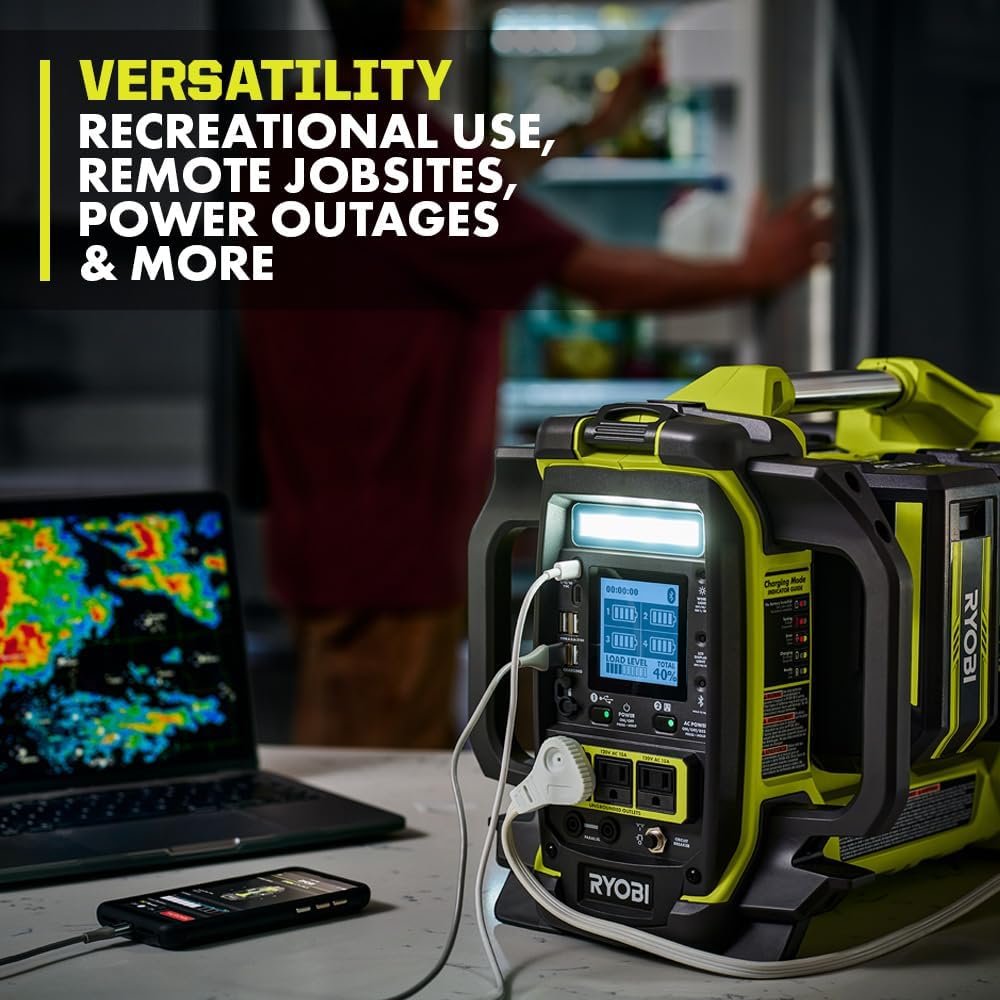
The GenControl app allows remote monitoring of the power station’s key status indicators. While we still need to be near the unit to change what’s plugged in, the app feedback is valuable.
Using the app, we can typically:
- Check battery levels
- Monitor load
- See if power is still active during an outage or while we’re away from the unit
This can be particularly nice when we’re in bed during a storm and we want to know how much power remains without getting up and walking to the unit.
When the App Matters Most
We find the app especially useful in these situations:
- Overnight outages when the power station is in another room
- Outdoor setups where the power station is under a canopy or near a vehicle
- Construction or DIY work where we might move around a job site
If we like to track and optimize energy use, the app turns our power station from a simple box of outlets into a more intelligent piece of equipment.
Noise, Fumes, and Indoor Use
Virtually Silent Operation
Compared to gas generators that produce constant engine noise, this RYOBI battery power station is very quiet. We mainly hear inverter hum and maybe a fan under load, but there’s no engine roar.
This makes it suitable for:
- Indoor use (living rooms, bedrooms, basements)
- Apartments and condos where noise is a concern
- Campsites where quiet hours are enforced
- Neighborhoods where we want to be considerate of others
Zero Fumes and Emissions at the Point of Use
Because it’s battery-powered, there are no exhaust fumes, no gasoline, and no oil. That’s a major safety and comfort advantage indoors:
- No carbon monoxide risk from the unit itself
- No fuel storage in the house
- No smell of gas or exhaust
We still need to charge our batteries from the grid (or another power source), but when it’s in use, it’s much more pleasant than a typical gas generator, especially in enclosed or semi-enclosed spaces.
Use Cases: Where This Power Station Shines
Home Backup During Power Outages
For home backup, this unit is ideal for what we might call “critical essentials”:
- Charging phones, tablets, radios
- Running a Wi-Fi router and modem
- Powering a TV for news and updates
- Providing room lighting
- Running a small fridge or mini fridge
- Occasional use of a microwave, coffee maker, or small kitchen appliance
We’re not going to power an entire HVAC system or all major appliances at once, but we can maintain a relatively normal, connected life during short and medium-length outages if we manage our load wisely and have enough battery capacity connected.
Camping and Outdoor Recreation
For camping, RVing, and tailgating, this unit is much more comfortable than gas options:
- Quiet enough not to ruin the atmosphere
- Clean power for sensitive electronics
- USB-C ports for phones, cameras, laptops, and more
- AC outlets for induction cooktops (within watt limits), small electric grills, or lights
We can place it in a tent vestibule, under a shelter, or near our seating area without worrying about fumes disturbing everyone.
Job Sites and DIY Projects
For those of us who regularly work with RYOBI 40V tools, this power station fits nicely into a battery-based job site:
- Power corded tools where outlets are unavailable
- Charge tool batteries via standard chargers
- Run lights, speakers, and other accessories
Because it uses the same 40V packs, we can move batteries between our mower, blower, trimmer, and the power station, making our entire setup more flexible.
Events, Tailgates, and Pop-Up Booths
At tailgates, pop-up markets, small booths, or backyard gatherings, this power station handles:
- Speakers and music systems
- Projectors and small sound boards
- String lights
- Phone and tablet charging
- Payment terminals and laptops
We don’t have to shout over engine noise, and we avoid the smell of fuel that often turns people away from a crowded booth.
Runtime Considerations: How Long Will It Last?
Estimating Runtime Based on Load and Batteries
Runtime depends on three big factors:
- Total capacity of the batteries we plug in (Ah and how many)
- How much power we’re drawing (watts)
- Inverter efficiency and environmental conditions
While exact numbers depend heavily on our specific battery models and use case, we can think in rough estimates. As a simplified example, suppose we connect four high-capacity 40V batteries. If our total usable capacity is, say, several hundred watt-hours, then:
- A small load of 100–200W (lights, router, phones, maybe a TV) could last many hours.
- A heavier load of 1,000–1,500W (appliances, heaters, etc.) will shorten runtime drastically.
The key is to use the LCD load indicator and battery gauge as a live guide. Lowering our total load stretches our runtime, sometimes dramatically.
Smart Power Management Tips
We can extend our usable time significantly with a few habits:
- Turn off high-draw appliances when not actively in use.
- Use LED lights instead of incandescent bulbs.
- Unplug chargers and devices that are finished charging.
- Avoid running multiple high-power appliances at once.
Combining modest usage with good habits can turn a short emergency into something manageable without constant stress about running out of power.
The Pros: What We Really Like
1. Compatibility with the RYOBI 40V Ecosystem
If we already own RYOBI 40V tools, this unit becomes far more attractive. Our existing batteries suddenly become part of an emergency power kit, a camping power hub, and a mobile job-site solution.
This shared battery platform means:
- Less duplication of batteries
- Flexible allocation of power between tools and backup needs
- Longer-term return on our battery investment
2. Quiet, Clean Power Indoors or Outdoors
The lack of gas, fumes, and engine noise changes where and how we can use power:
- We can place it next to a bed during an outage.
- We can run it on a balcony or in a tent.
- We don’t have to step outside in a storm to refuel.
That combination of quiet and clean output is a major quality-of-life improvement over gas generators.
3. Multiple Output Types for Modern Devices
With three AC outlets, four USB-A, and two USB-C ports, we can charge and run almost anything we typically depend on during normal life:
- Phones, laptops, and tablets
- Routers and TVs
- Small appliances and tools
We don’t need a pile of adapters; the port mix is well thought out for today’s electronics-heavy lifestyle.
4. Clear LCD with Load and Battery Metrics
The LCD screen gives us a better handle on what’s happening:
- We can see when we’re pushing the limit.
- We can gauge how much longer our batteries might last.
- We can adjust usage in real time.
That feedback helps turn guesswork into informed decisions, especially in emergencies.
5. GenControl App Integration
Remote monitoring makes this unit feel more modern and capable:
- We can check status from another room.
- We can keep an eye on usage while focusing on other tasks.
- We gain insight without hovering over the device.
For those of us who like “smart” solutions, the app is a handy bonus.
The Cons: Where the Unit Falls Short
1. Batteries Not Included
Since this product is tool-only, we must factor in the cost of batteries if we don’t already have them. High-capacity 40V batteries are not cheap, and we’ll usually want more than one.
This means:
- The real-world cost of a full setup can be significant.
- We should plan for at least a couple of robust 40V packs for serious backup use.
For existing RYOBI 40V owners, this is less of a downside, but for new users, it’s important to keep in mind.
2. Limited Total Wattage Compared to Larger Generators
At 1,800 running watts, we get a solid amount of power, but not enough to run a whole house or big, power-hungry equipment simultaneously. If we expect to run:
- Central air conditioning
- Multiple large appliances at once
- High-demand workshop tools continuously
we’ll hit the ceiling quickly. This unit is about smart, selective usage, not whole-home backup.
3. Runtime Depends Heavily on Battery Investment
Unlike gas, where we can refill as long as we have fuel, our runtime here is capped by how many batteries we own and how we manage our load. If we want extended backup, we must invest in multiple high-capacity 40V batteries.
That’s not a flaw of the product itself, but it’s a practical limitation of battery-powered solutions at this scale.
4. Charging the Batteries Requires a Separate Charger
The power station itself doesn’t typically replace a dedicated battery charger. We still need RYOBI 40V chargers to recharge the packs from the grid or another power source.
This means:
- Our full kit includes the power station, multiple batteries, and at least one charger.
- We should think about charging logistics between uses, especially before storm seasons or trips.
Who This Power Station Is Perfect For
RYOBI 40V Tool Owners
If we’re already invested in the RYOBI 40V ecosystem, this product is a natural extension of what we own. Our existing batteries become part of a much bigger solution:
- Lawn care and power tools during normal days
- Emergency backup and portable power during special events or outages
This cross-compatibility is a standout advantage compared to standalone battery generators that use built-in, non-removable battery packs.
Homeowners Planning for Moderate Backup
For homeowners who want to keep essentials running during outages—without the complexity, cost, and maintenance of a full gas generator—this unit is a compelling option.
We can:
- Keep food safe in a small fridge or run a few key appliances periodically.
- Stay connected via phones, laptops, and routers.
- Maintain lighting and basic comfort without going outside to refuel anything.
Campers, Van Lifers, and Outdoor Enthusiasts
Those of us who love spending time outdoors will benefit from:
- Clean, quiet power that won’t annoy neighbors or wildlife.
- Enough output to handle fans, cooking gear, electronics, and lighting.
- Battery flexibility that integrates with outdoor tools and gear.
It’s especially attractive for car camping, van setups, and longer stays where noise and fumes are not desirable.
DIYers and Light Job-Site Users
On job sites or home renovation projects, this power station can:
- Provide AC power where outlets are limited or absent.
- Charge tool batteries and run lights at the same time.
- Offer a quieter, simpler solution in occupied homes where a gas generator would be disruptive.
If our work style already centers around cordless tools, this product fits right in.
Practical Tips for Getting the Most Out of It
Plan Our Battery Strategy
To maximize usefulness, we should:
- Invest in at least two to four high-capacity 40V batteries if we don’t already have them.
- Label batteries and rotate them between tools and the power station to keep wear even.
- Keep batteries topped up during storm seasons or before big trips.
Know Our Priorities Before an Outage
Before the lights go out (or before we head off-grid), it helps to decide:
- Which devices are absolute essentials
- Which ones are nice-to-have but nonessential
- Which high-wattage items we’ll use briefly and in rotation
That way, we keep our total load reasonable and avoid draining our battery bank prematurely.
Use the LCD and App to Guide Usage
We can treat the load level and battery gauge as our control panel:
- If the load is high, consider turning off some items.
- Monitor how quickly the battery percentage falls over time.
- Experiment with different combinations of devices to find a comfortable, efficient setup.
By watching how each device affects the readings, we’ll quickly develop a feel for what this power station can handle easily and what pushes it toward its limits.
Safety and Maintenance Considerations
Safe Indoor Usage
Because there are no fumes, it’s suitable for indoor use, but we still want to follow good practices:
- Ensure adequate ventilation around the unit so it doesn’t overheat.
- Keep liquids away from outlets and vents.
- Avoid covering the unit with blankets or clothing.
Treat it like any high-power electrical device: enough airflow and a clear area around it make operation safer and more reliable.
Battery Care
To keep our 40V batteries healthy:
- Avoid fully draining them unnecessarily.
- Store them in a cool, dry place when not in use.
- Charge them periodically if they’ll sit unused for long stretches.
- Follow RYOBI’s guidelines for temperature and storage conditions.
Healthy batteries mean longer runtimes, better performance, and lower long-term costs.
How It Compares to Traditional Gas Generators
Advantages Over Gas Units
Compared to gas generators with a similar wattage rating, this RYOBI battery power station gives us:
- Quieter operation – far less noise pollution.
- Fume-free usage – safe indoors and in close quarters.
- Lower maintenance – no oil changes, spark plugs, or carburetors.
- Instant startup – no pull-cord, no warmup period.
It’s particularly attractive for those of us who don’t want to maintain yet another small engine.
Trade-Offs We Need to Accept
The main trade-offs are:
- Runtime limited by battery capacity, not a fuel tank we can refill easily.
- Higher cost per watt once we factor in multiple 40V batteries.
- Lower maximum wattage compared to larger, gas-powered generators designed to run entire circuits or multiple big appliances continuously.
If we need whole-house backup or heavy-duty power day after day, a gas generator or a full home backup system might still be necessary. But for moderate, targeted use, the RYOBI battery station has real advantages that many of us will appreciate.
Final Thoughts: Is the RYOBI 40V 1800-Watt Power Station Right for Us?
The RYOBI 40V 1800-Watt Portable Battery Power Station Inverter Generator (Tool ONLY – Batteries NOT Included) lands in a sweet spot between small power banks and loud gas generators. It gives us:
- 3,000 starting watts and 1,800 running watts
- Compatibility with all RYOBI 40V lithium batteries
- Four battery ports for extended flexibility
- A generous mix of AC, USB-A, and USB-C outputs
- An informative LCD screen and a handy GenControl app
- Quiet, fume-free operation suitable for indoor and outdoor use
It’s not a whole-house backup system, and it doesn’t come with batteries, so we do need to build a proper battery kit around it. But for those of us who:
- Already own RYOBI 40V tools, or
- Want quiet, portable, flexible power for outages, camping, and projects,
this power station is a strong, thoughtfully designed option. With the right battery setup and a bit of planning, it becomes a reliable, user-friendly power partner that we can lean on in everyday life and when things don’t go according to plan.
Disclosure: As an Amazon Associate, I earn from qualifying purchases.