
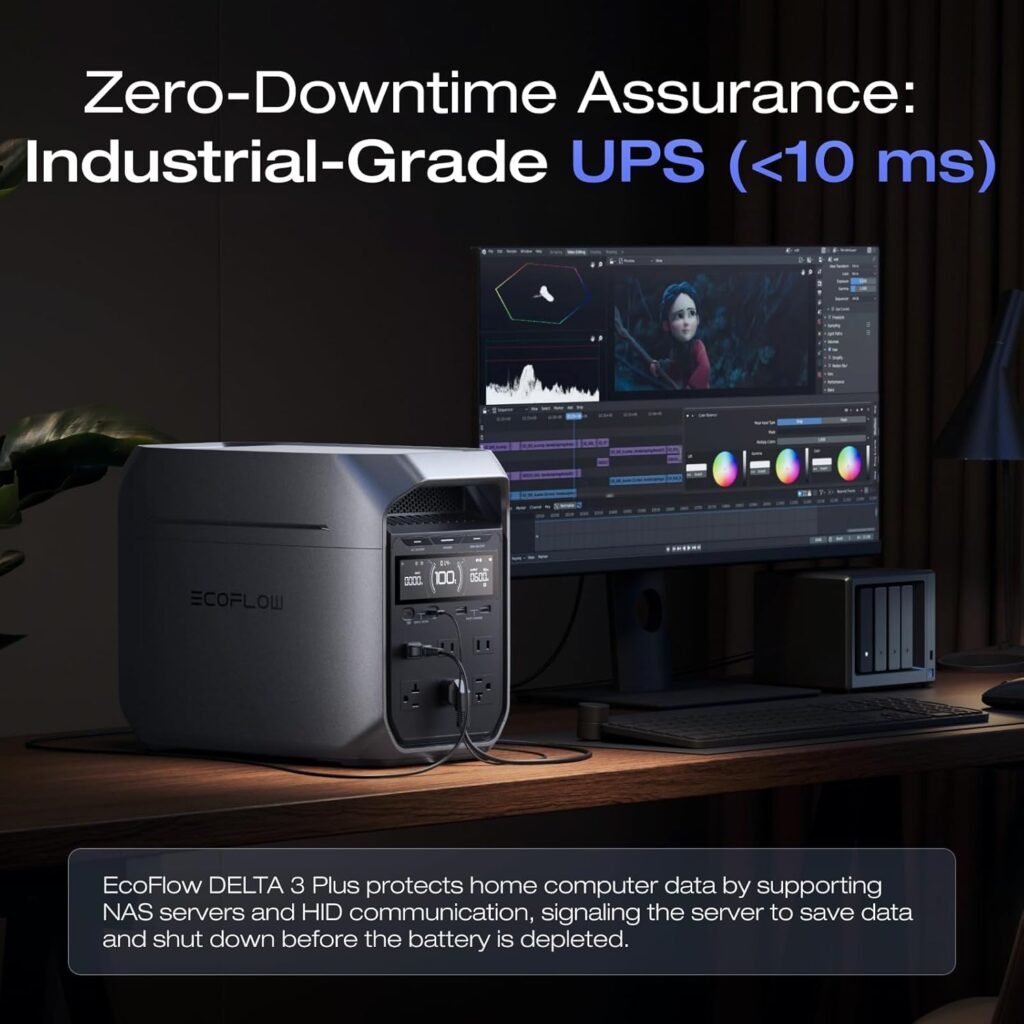
Have we ever wished we could keep our home essentials, campsite, or RV powered without worrying about noisy generators, gas runs, or fragile batteries?

What Is the EF ECOFLOW Solar Generator DELTA 3 Plus with 400W Solar Panel?
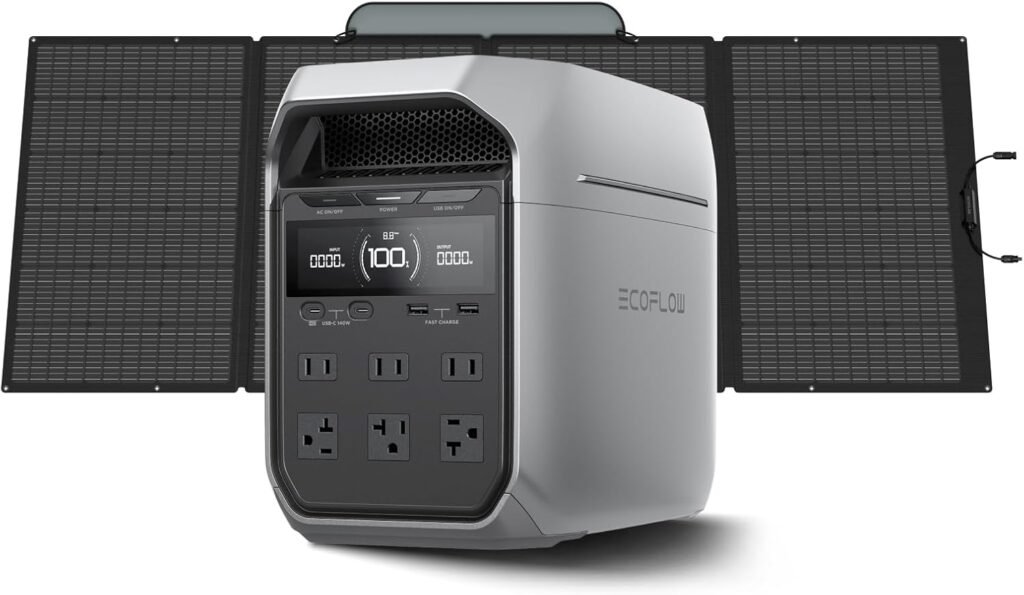
This product is a bundled system that combines the EF ECOFLOW DELTA 3 Plus portable power station with a 400W solar panel. Together, they give us an all‑in‑one solar generator solution for home backup, camping, and RV life. Instead of relying on the grid or fuel, we can run our devices and recharge the battery using sunlight, AC power, or even a vehicle alternator.
At its core, the DELTA 3 Plus is a robust LiFePO₄ (LFP) battery-based power station, and the included 400W panel is designed to charge it quickly and efficiently, even in less‑than‑ideal conditions. The whole idea is to offer us portable, reliable energy wherever we go.
Key Features at a Glance
Before we get into how it actually fits into our lives, it helps to see the big picture. This system focuses on fast charging, long life, and all‑weather usability, making it suitable for both everyday and emergency scenarios.
Here’s a simplified breakdown of the main features and what they mean for us:
| Feature Category | Key Specs / Details | What It Means for Us |
|---|---|---|
| Battery Type | LiFePO₄ (LFP), 4000 cycles to 80% | Long lifespan, safer chemistry, stable performance over time |
| Charging Methods | AC, solar, alternator, EcoFlow smart generator, hybrid (AC + solar) | Flexible charging options in different situations |
| Fast Charging (AC) | 1500W AC input: 0%–80% in 40 mins | Quick top‑ups before a trip or during short grid availability |
| Fast Solar Charging | 0%–80% in ~1 hr, 0%–100% in ~70 mins | Efficient use of a sunny window; strong solar performance |
| Alternator Charging | 800W alternator: 0%–80% in ~1 hr, 0%–100% in 1.3 hrs | Recharge while driving with a properly supported vehicle alternator |
| Smart Generator Charging | 0%–80% in 40 mins, 0%–100% in 56 mins | Backup fueled charging for extended outages |
| Hybrid AC + Solar | 0%–80% in 40 mins, 0%–100% in 56 mins | Extremely fast recharge when we combine sources |
| Solar Panel Power | 400W rated output, 22.4% conversion efficiency | High‑efficiency solar, faster charging with decent sunlight |
| Solar Panel Durability | EVA + fiberglass construction, IP68 waterproof | Built to handle rain, dust, and outdoor use |
| Battery Enclosure Rating | IP65: splash‑proof, dust‑proof, oil‑proof | Robust enough for challenging environments |
| Lifespan | Up to 10 years of daily use | Long‑term investment, not a short‑term gadget |
These specs set the tone for what kind of product we’re dealing with: compact, powerful, and clearly geared to serious, repeated use rather than just one‑off trips.

Design and Build Quality
We care about how a portable power system feels and holds up in real‑world use. The DELTA 3 Plus and its 400W panel are designed to travel with us, not sit in a corner gathering dust.
Power Station Build and Form Factor
The power station houses a LiFePO₄ battery pack with IP65 protection. That means it’s dust‑tight and resistant to low‑pressure water jets and splashes, plus it’s designed to resist oil. This matters for garage use, workshops, and dusty campsites.
The casing feels robust and purpose‑built, with a design that leans more toward “professional gear” than “cheap gadget.” Handles are typically placed to make lifting and moving easier, so we can haul it from the house to the car, then out to the campsite without awkward wrestling.
We should think of it as a compact, mobile power hub that’s tough enough for frequent moves but still refined enough to sit unobtrusively in a living room during outages.
Solar Panel Construction and Portability
The 400W solar panel is where the portability and ruggedness really stand out. It’s built from layers of EVA (ethylene-vinyl acetate) and fiberglass. EVA offers flexibility and impact absorption, while fiberglass gives structure and resilience.
With its IP68 waterproof rating, the panel is dust‑tight and can handle being exposed to rain and splashes without worry. For us, that means we can set it out in damp grass, light rain, or dusty locations and not feel we’re babying an expensive piece of gear.
The folding, flexible nature of the panel makes it easier to pack into an RV, car trunk, or closet when not in use. We can carry it out, unfold it, orient it toward the sun, and pack it away again without much fuss.
Battery Technology and Longevity
For any power station, the battery chemistry is the heart of the product. Here, ECOFLOW uses LFP (LiFePO₄) cells, and that choice significantly changes the value proposition for us.
Why LiFePO₄ (LFP) Matters
LiFePO₄ cells are known for their stability, safety, and longevity. Unlike many older lithium-ion chemistries, LFP has a much higher cycle life. We’re told that the DELTA 3 Plus offers around 4000 charge cycles until the battery capacity drops to 80%.
To put that into perspective:
- If we used and recharged the unit every single day, that’s over 10 years before we hit 80% of the original capacity.
- For occasional use (weekend camping, seasonal RV trips, or periodic blackouts), that lifespan realistically extends much further.
We’re also getting about 25% more durability than many standard industry offerings. For a relatively high‑ticket product, that long life helps justify the investment.
Five Fast Charging Options
One of the standout aspects of this system is its flexibility in how we recharge the battery. Instead of relying on a single method, we have multiple ways to keep the DELTA 3 Plus powered up:
-
AC Charging (Wall Outlet)
With up to 1500W AC input, the power station charges from 0% to 80% in about 40 minutes. If we’re charging from the grid, we can plug it in before a trip, or during a brief power restoration window, and get a usable charge very quickly. -
Solar Charging (400W Panel)
Using the solar panel in good conditions, we can hit:- About 80% in 1 hour
- Around 100% in 70 minutes
That’s fast for solar, and it makes daily solar use practical. We can top it off during the morning and have a full battery for afternoon and night use.
-
Vehicle Alternator Charging (800W)
With an 800W alternator, we can charge:- 0%–80% in around 1 hour
- 0%–100% in about 1.3 hours
This is especially useful in RVs or overlanding setups. While driving, we’re turning engine power into stored battery power.
-
EcoFlow Smart Generator Charging
Using EcoFlow’s compatible smart generator, we can:- Charge to 80% in 40 minutes
- Reach 100% in 56 minutes
For extended outages with poor solar conditions, we can use a generator more efficiently, only running it for relatively short bursts.
-
Hybrid Charging (AC + Solar)
When we combine AC and solar, the unit can still:- Reach 80% in 40 minutes
- Reach 100% in 56 minutes
This allows incredibly fast recharges when we have partial grid access plus sun, or when we want to minimize grid time.
These multiple options provide real flexibility. Whether we’re at home, on the road, at a campsite, or in a disaster scenario, we have more than one path to get the battery charged.
Solar Panel Performance and Efficiency
If we’re investing in a solar generator, we want the solar side to be more than just an afterthought. Here, the 400W panel actually pulls its weight.
400W Output and Conversion Rate
The panel is rated at 400W with a conversion efficiency of 22.4%. That means it can convert over a fifth of the sunlight it receives into usable power, which is high by current consumer standards.
This has two big implications for us:
- In good, direct sunlight, we can push substantial power into the DELTA 3 Plus, achieving a fast charge window.
- Even in slightly less ideal conditions—like mild cloud cover—we still get respectable performance thanks to the efficiency and smart electronics.
We shouldn’t expect full 400W output at all times (solar conditions are never perfect), but this kind of efficiency helps maximize what we do get.
MPPT and Real-World Charging
When paired with the power station, the solar panel uses an MPPT (Maximum Power Point Tracking) algorithm. In simple terms, MPPT constantly adjusts to extract the maximum possible power from the panel at any given moment, considering changes in sunlight, panel temperature, and shade.
For us, this means:
- Better performance in variable conditions (passing clouds, changing angles of the sun).
- More consistent and predictable charging through the day.
- Less need to constantly re‑position the panel to “chase” small gains in sunlight.
It won’t completely cancel out poor conditions, but it will help us squeeze the most out of what we have.
Weather Resistance and Outdoor Use
A solar generator that’s afraid of the outdoors isn’t very helpful. ECOFLOW seems to recognize that, and this bundle is clearly tuned for the outdoors as well as indoor backup.
IP68 Waterproof Solar Panel
The IP68 rating on the solar panel is significant. Here’s what that really means:
- IP6X (first digit 6): Completely dust‑tight.
- IPX8 (second digit 8): Protected against prolonged immersion in water (to a specified depth).
We’re not going to submerge it for fun, but it reassures us that rain, splashing, and heavy dust are not going to be instant death for the panel. This is ideal for:
- Unexpected rain at a campsite.
- Dusty desert environments.
- Long days spent outside without constant supervision.
IP65 Battery Pack Protection
The power station’s battery pack is rated IP65, which translates to:
- Dust‑tight (6).
- Protected against low‑pressure water jets from any direction (5).
Practically, this makes us more confident using it in garages, workshops, and outdoor settings where dust, debris, or occasional splashes from hoses or light rain are a concern. We still shouldn’t leave it exposed to heavy downpours, but everyday conditions and small mishaps are less of a risk.
Everyday Use Cases
We might look at the specs and wonder how this translates to day‑to‑day life. Let’s consider where this generator can really shine in practical scenarios.
Home Backup Power
For home use, this system is a great fit for running key devices during a power outage. While exact runtimes depend on the unit’s capacity and our specific loads, here’s a rough idea of the kinds of things we can support:
- Modem, router, and a laptop or two for several hours, keeping our communication and basic work online.
- LED lights in multiple rooms, so we’re not stuck in the dark.
- A small refrigerator or mini‑fridge to preserve essential food or medicine for a period.
- Small medical devices, phone chargers, and low‑draw electronics.
Because we can recharge quickly via AC or a smart generator when power briefly returns, we’re not stuck with a single “one and done” use. If we add the solar panel to the mix, we can extend our off‑grid operation significantly.
Camping and Overlanding
Out in the field, silence and clean energy matter. Instead of a noisy gas generator, we can:
- Power camp lights, fans, or small heaters (within rating limits).
- Keep phones, cameras, drones, and laptops charged.
- Run portable fridges or coolers in vans and SUVs.
- Use small appliances like induction cookers, electric kettles, or coffee makers for short periods.
The 400W solar panel can quietly recover a good chunk of energy throughout the day, especially if we set it up in a sunny spot while we relax or explore.
RV and Van Life
For RVers and van lifers, the alternator charging option is particularly compelling. While driving:
- The alternator can push up to 800W into the DELTA 3 Plus.
- We can arrive at our next spot with a topped‑up battery ready to power our evening.
Combined with the 400W panel, we can:
- Charge during the day from the sun.
- Top up on driving days from the alternator.
- Reduce reliance on campsite hookups and noisy onboard generators.
This makes the system feel like a central piece of an off‑grid lifestyle rather than a backup afterthought.
Performance and Charging Speed in Context
The headline claims about fast charging are impressive, but we should put them into a practical context.
Realistic Expectations for Charging Times
Under optimal conditions, the published times look like this:
- AC (1500W): 0%–80% in 40 minutes
- Solar (400W): 0%–80% in about 1 hour, 0%–100% in 70 minutes
- Alternator (800W): 0%–80% in about 1 hour, 0%–100% in 1.3 hours
- Smart Generator: 0%–80% in 40 minutes, 0%–100% in 56 minutes
- Hybrid (AC + Solar): 0%–80% in 40 minutes, 0%–100% in 56 minutes
In the real world, a few factors will influence these:
- Solar intensity and angle of the sun.
- Ambient temperature (batteries and panels perform differently in heat and cold).
- Whether we’re using AC power at the same time we’re charging.
Even allowing for some real‑world variance, we’re still looking at a very fast-charging system. For instance, if we only get 60–70% of the rated solar output due to clouds or winter sun angles, we might still be hitting fairly strong charge rates throughout the day.
Efficiency and Energy Management
The system’s MPPT and overall design aim to keep energy losses as low as reasonably possible. For us, that translates to:
- More usable kilowatt‑hours from each solar hour.
- Less regret when conditions aren’t perfect.
- Better end‑of‑day charge levels than we might get from older or less optimized setups.
We still need to manage our loads—turning off unnecessary devices, not running multiple high‑draw appliances simultaneously—but the combination of capacity, charging speed, and efficiency gives us plenty of breathing room.
Durability and Reliability Over Time
When we invest in a system like this, we want to know that it won’t lose steam after a year.
Cycle Life and Capacity Retention
The 4000 cycles to 80% capacity specification matters because it sets a concrete expectation:
- Each full cycle is a charge from near‑empty to full and then usage back to near‑empty.
- After 4000 of those, the battery should still hold about 80% of its original capacity.
In daily use, that means:
- If we run a cycle every day, we get well over a decade before hitting that 80% mark.
- If we use the system only on weekends or during occasional trips, the functional lifespan is considerably longer.
Even after 10 years of daily cycling, 80% of the original capacity is still very workable for many use cases.
Weather and Environmental Protection
The combination of IP65 protection for the battery pack and IP68 for the solar panel speaks to long‑term reliability in mixed conditions:
- Dust and dirt won’t easily penetrate and cause problems.
- Light rain, splashes, and humidity are less threatening.
- Oil‑resistance is useful in garages, near generators, and in some industrial settings.
We still want to treat the system with basic care—avoid dropping it from heights, submerging connectors, or exposing it to extreme temperatures—but it is clearly not a fragile, indoor‑only product.
Ease of Use and Setup
Complexity is often a barrier with solar and battery solutions. This product aims to make setup and use straightforward for non‑experts.
Out‑of‑the‑Box Experience
Typically, we can expect:
- A power station with clearly labeled ports and an easy‑to‑read screen.
- A solar panel with built‑in connectors or cables that match the power station.
- Basic instructions and recommended configurations.
To get started, we usually:
- Unfold the solar panel and position it toward the sun.
- Connect the panel’s cable to the dedicated solar input on the power station.
- Monitor the input wattage and battery level on the power station’s display.
For AC charging, we simply:
- Plug the power station into a wall outlet.
- Watch as it pulls up to its rated AC input and quickly charges.
The alternator and smart generator setups may require a bit more configuration, but they still follow clear, step‑by‑step procedures.
Everyday Operation
Daily use typically involves:
- Plugging our devices into the AC outlets, USB ports, or DC outputs on the power station.
- Keeping an eye on the battery percentage and remaining time estimates.
- Choosing when to plug into solar, AC, or alternator for recharging.
It’s easy to adopt a rhythm: charge during the day, run devices at night, and repeat. The display and any supported app interfaces guide us with real‑time information so we’re not guessing.
Who This System Is Best For
Not every solar generator suits every user. The EF ECOFLOW DELTA 3 Plus with 400W panel is especially well suited to a few kinds of users.
Homeowners Focused on Backup and Preparedness
If we live in an area with frequent power outages, storms, or unreliable infrastructure, this system provides:
- Quick AC charging when power is available.
- Daytime solar charging to prolong off‑grid operation.
- Enough capability to keep critical devices running during outages.
We can store it in a closet or utility room, charge it occasionally to maintain health, and deploy it quickly when needed.
Campers, Van Lifers, and RV Travelers
For those of us spending a lot of time off‑grid:
- The 400W panel and alternator charging let us maintain a sustainable power cycle.
- The robust construction and weather ratings suit real outdoor usage.
- Silence and lack of exhaust make it campsite‑friendly.
We can also pair it with an existing RV electrical system to support lights, small appliances, and electronics.
Remote Workers and Digital Nomads
If we’re working from remote properties, cabins, or while traveling:
- We can keep laptops, routers (or hotspots), and monitors powered without interruption.
- Solar charging gives us more freedom to choose locations away from traditional infrastructure.
- Fast AC charging helps us top up during short visits to grid‑connected locations.
This system can serve as an anchor for a mobile, solar‑supported workspace.
Pros and Cons
To give ourselves a clear view, it helps to balance the strengths and potential limitations.
Advantages
- Long Battery Life: LFP chemistry with 4000 cycles to 80% capacity, backed by an expected 10‑year lifespan of daily use.
- Multiple Fast Charging Options: AC, solar, alternator, smart generator, and hybrid charging, all with rapid recharge times.
- High‑Efficiency Solar Panel: 400W with 22.4% conversion, optimized through MPPT for better real‑world performance.
- Rugged Design: IP65 protection for the battery pack, IP68 waterproof rating for the panel, and robust EVA + fiberglass construction.
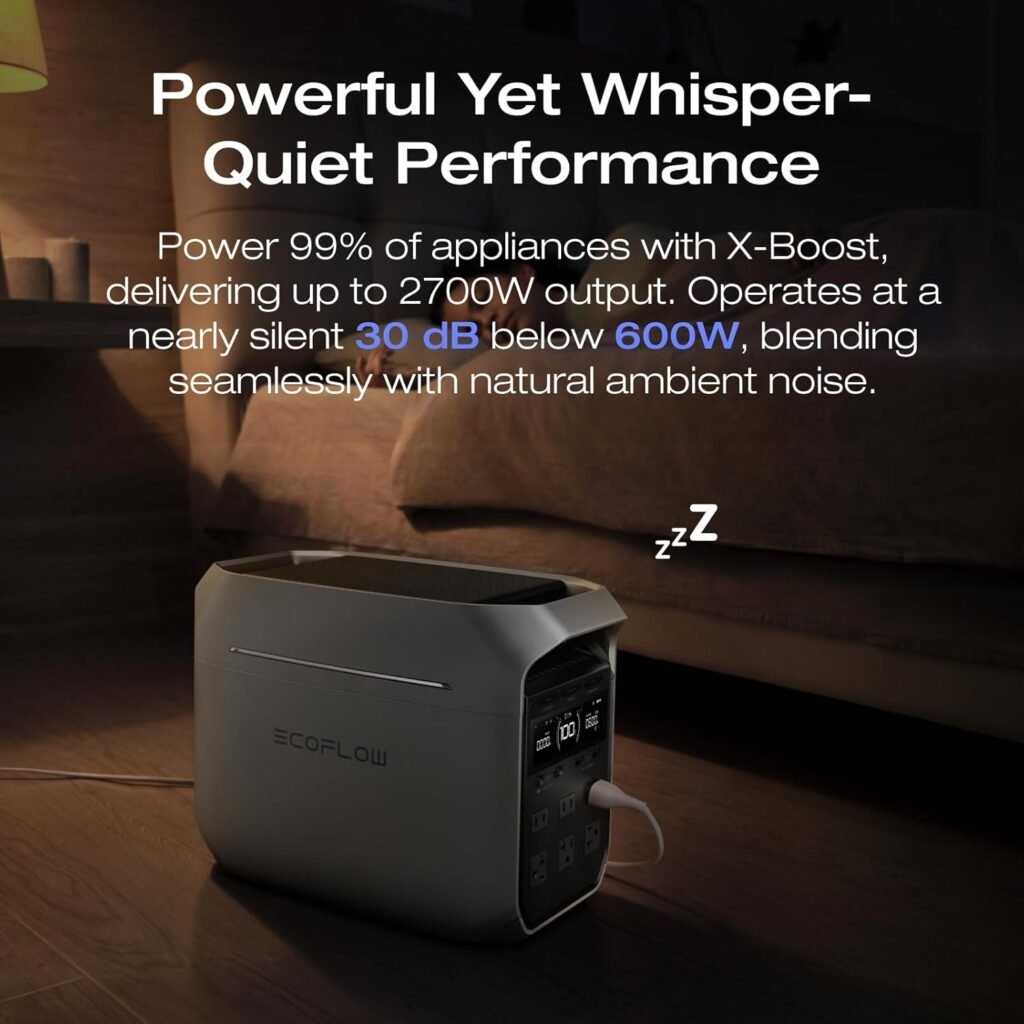
- Quiet and Clean Operation: No fumes, significantly quieter than gas generators, and ideal for indoor use.
- Flexible Use Cases: Effective for home backup, camping, RVs, and remote work.
Potential Drawbacks
- Initial Cost: A well‑built solar generator and high‑efficiency panel bundle is a serious investment compared to smaller, lower‑capacity power banks or basic generators.
- Weight and Size: While portable, the power station and 400W panel aren’t pocket‑sized; we need storage space and some lifting ability.
- Solar Dependence for Off‑Grid: For extended off‑grid periods, we must have adequate sun or access to alternator, AC, or a smart generator, especially in winter or heavily shaded areas.
For most users who are serious about preparedness or off‑grid capability, the advantages tend to outweigh these drawbacks, but it depends on our needs and budget.
Tips for Getting the Most Out of the System
To maximize both longevity and performance, we can follow some simple habits.
Optimal Solar Use
- Angle the panel roughly perpendicular to the sun’s rays.
- Avoid shading—even partial shade can reduce output significantly.
- Use the middle of the day (when the sun is highest) for our heaviest charging.
Battery Care
- Avoid leaving the battery at 0% for long periods.
- For long‑term storage, keep it partially charged (often around 40–60% is recommended for lithium batteries).
- Store in a cool, dry place; avoid extreme heat or sub‑freezing temperatures when possible.
Power Management
- Prioritize essential devices during outages.
- Turn off or unplug high‑draw appliances when not needed.
- Use energy‑efficient lights and electronics to stretch runtime.
Small changes in how we manage loads can significantly extend the time between charges.
Comparison to Traditional Generators
Many of us might be considering whether to go with this kind of solar generator or a traditional gas or diesel generator.
Where a Solar Generator Shines
- Noise: It operates much more quietly, which is better for neighborhoods, campsites, and indoor areas.
- Emissions: No exhaust fumes; we can run it indoors with proper ventilation of the connected devices.
- Maintenance: No oil changes, no fuel stabilizers, fewer moving parts to maintain.
- Fuel Independence: With solar and alternator charging, we can reduce or eliminate trips to the gas station.
Where a Traditional Generator Still Has an Edge
- Continuous High‑Power Output: For very large loads (multiple big appliances at once), a sizable gas generator can often supply more continuous power.
- Fuel Energy Density: If we have a reliable fuel supply, we can run a generator continuously as long as we feed it.
For many of us, especially those focused on quieter, cleaner, more flexible power, the EF ECOFLOW Solar Generator DELTA 3 Plus with 400W panel hits a more modern sweet spot. For extremely large power needs, some may still choose to supplement with a conventional generator.
Is It Worth It for Our Situation?
The value depends on how we plan to use it:
- If we want reliable home backup for essentials and the ability to charge from both grid and sun, this package is compelling.
- If we travel frequently with RVs or camper vans, the combination of alternator charging and a 400W solar panel can significantly improve our energy independence.
- If we are planning serious preparedness or off‑grid living, the 10‑year lifespan and rapid charging options make it a logical cornerstone of our setup.
The upfront cost is substantial, but if we’ll use it regularly over years, the cost per year and per cycle becomes very reasonable.
Final Thoughts
The EF ECOFLOW Solar Generator DELTA 3 Plus with 400W Solar Panel is designed for people who want reliable, fast, and flexible power without relying on noisy, fuel‑burning generators. With its LiFePO₄ battery, five fast charging methods, rugged IP‑rated construction, and high‑efficiency solar panel, it’s built as a long‑term solution rather than a disposable gadget.
If we’re looking for a power system that can adapt to our home backup needs, outdoor adventures, and mobile lifestyle, this bundle offers a strong balance of durability, speed, and practicality. With thoughtful use and basic care, it has the potential to serve us well for many years to come.
Disclosure: As an Amazon Associate, I earn from qualifying purchases.