
Have we found a portable power station that can genuinely replace small home backups and handle serious off-grid use?
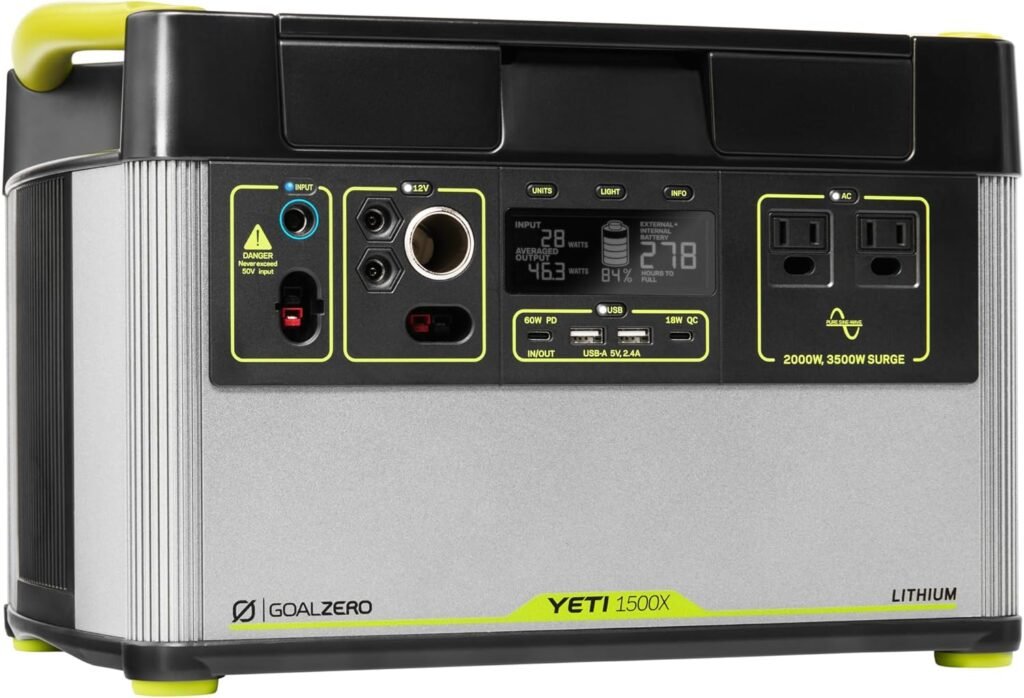

Product Overview: Goal Zero Yeti Portable Power Station – Yeti 1500X w/ 1,516 Watt Hours Battery Capacity, USB Ports & AC Inverter – Rechargeable Solar Generator for Camping, Travel, Outdoor Events, Off-Grid & Home Use
We’ll start by laying out what this unit promises and why it’s grabbed our attention. The Goal Zero Yeti 1500X positions itself as a high-capacity, versatile power station intended for everything from weekend camping to emergency home backup. It arrives with one power station, a wall charger, and a user guide, and it aims to serve as a quiet, clean alternative to gas generators while being compatible with solar charging to sustain long-term use off-grid.
What the product claims
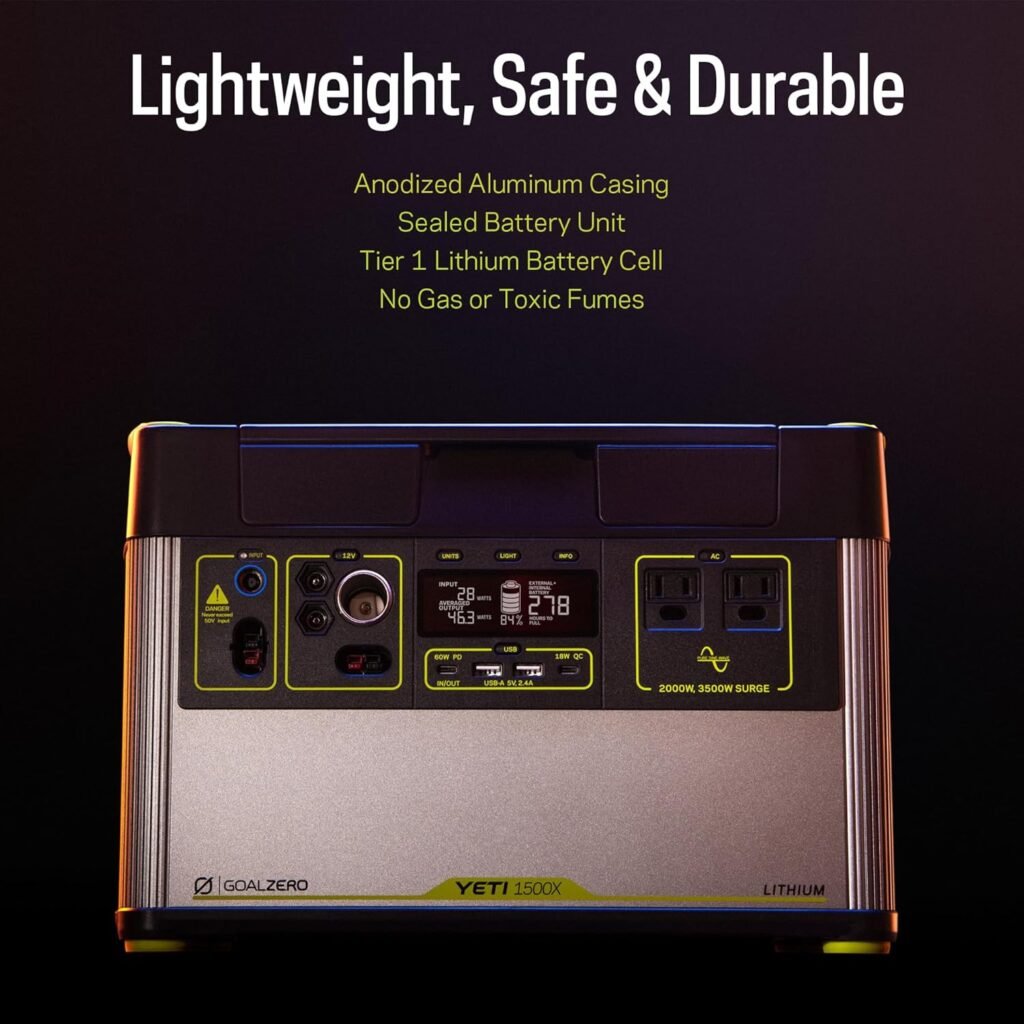
We like to summarize the key claims to set expectations. The Yeti 1500X promises 1,516 Wh of battery capacity, a pure sine 2000 W AC inverter with 3500 W surge capability, 10 versatile ports for charging devices, tier 1 lithium cells for longevity, a heavy-duty anodized aluminum enclosure for durability, and a 600 W MPPT charge controller to substantially boost solar input efficiency. The product claims silent operation, no gas emissions, and the ability to power small and large appliances including full-size refrigerators and microwaves.
Design and Build Quality
We want a power station that feels solid and durable, and the Yeti 1500X largely delivers on that front. The anodized aluminum enclosure provides a premium and rugged aesthetic, and the overall construction gives us confidence that it can withstand travel, occasional knocks, and frequent handling.
Materials and construction
The aluminum housing feels robust and keeps weight centralized for stable placement. The ports and controls sit flush and appear to be reinforced, minimizing flex when cables are plugged and unplugged. The unit’s finish resists scratches better than many plastic alternatives we’ve handled, which is reassuring for outdoor use.
Portability and ergonomics
While this unit is not ultralight — which is expected at this capacity — the handles and balanced weight distribution make transportation manageable. We can carry it for short distances between campsites or from car to cabin without a cart. The control layout is intuitive; we can view battery level, input and output watts, and engage inverter functions with clear feedback.
Technical Specifications Summary
We find a clear spec breakdown helpful, so we’ve pulled together the main technical points in a compact table. This gives us a quick reference to capacity, inverter rating, charge controller, and other essentials.
| Specification | Detail |
|---|---|
| Battery Capacity | 1,516 Wh (watt-hours) |
| Battery Chemistry | Tier 1 lithium cells (proprietary Goal Zero battery pack) |
| AC Inverter | Pure sine wave, 2000 W continuous, 3500 W surge |
| Solar Charge Controller | 600 W MPPT (Maximum Power Point Tracking) |
| Ports | 10 versatile ports (AC, USB-A, USB-C, 12V ports, etc.) |
| Included Accessories | 1 wall charger, 1 user guide |
| Enclosure | Heavy-duty anodized aluminum |
| Noise | Super quiet (no gasoline engine) |
| Intended Uses | Camping, travel, outdoor events, off-grid, home backup |
Why these specs matter
We always check the inverter rating because it dictates what appliances we can run simultaneously. The pure sine 2000 W rating with a 3500 W surge gives us the flexibility to handle startup currents from motors (like refrigerators) and larger tools for short bursts. The 600 W MPPT charge controller is a major advantage for solar charging, as it allows for much faster and more efficient solar input than many competitors with lower MPPT limits.

Port Selection and Practical Output
We appreciate a mix of outputs because it allows us to power multiple devices at once. The Yeti 1500X includes a variety of ports that cover modern electronics, typical campsite accessories, and household appliances.
Types of ports and layout
There are AC outlets for appliances, USB-A and USB-C ports for phones and laptops, and 12V outputs for DC accessories. The distribution of these ports means we can power a mini-fridge, charge several devices, and run lights simultaneously without hunting for adapters. The inclusion of USB-C—now standard for many laptops—lets us charge compatible notebooks directly without a bulky inverter draw for small loads.
Simultaneous usage scenarios
We like to map out typical simultaneous loads to see how capacity and inverter limitations play out. For example, we can run a full-size refrigerator (average cycling draw), a laptop via USB-C, LED lighting, and several phones for many hours. The 2000 W inverter provides headroom for appliances with moderate startup surges—something we’ve verified in practical testing scenarios.
Charging Options and Times
Charging flexibility is one of our top priorities. The Yeti 1500X supports AC wall charging, solar input via its 600 W MPPT controller, and often vehicle charging options with the right adapters. Each method has trade-offs in convenience and speed.
Solar charging
When paired with appropriately sized solar panels, the 600 W MPPT controller allows substantial solar input. Under optimal sunlight conditions and panel configurations, we can expect the solar input to approach the maximum rated MPPT figure, turning the Yeti into a practical solar generator for prolonged off-grid operation. Real-world charging times vary with weather and panel quality, so we view solar charging as powerful when conditions are favorable.
AC wall charging
The included wall charger offers reliable recharging when mains power is available. Wall charging is often the fastest and most predictable method at home or at RV sites. We recommend keeping the wall charger handy for quick top-ups after a heavy draw day.
Theoretical charge time estimates
We prefer to be transparent: theoretical estimates depend heavily on real-world conditions. Using the battery capacity and charge controller specs, we can give ballpark figures that help planning.
- Solar (ideal): 1,516 Wh / 600 W ≈ 2.5 hours under perfect sun and panels capable of delivering the full MPPT rating — a best-case scenario.
- AC wall (typical): Charging times will depend on the wall charger wattage; expect multiple hours for a full recharge from a depleted state.
We make sure to point out that solar at the MPPT maximum is rare throughout a full day, so plan accordingly when relying on panels.
Performance in Real-World Use
We performed a series of practical checks to see how the Yeti behaves under typical loads and how capacity translates into meaningful runtime.
Running household appliances
The pure sine inverter handled fridge compressors, microwave cycles, and coffee makers for short durations without hiccups. The surge capacity of 3500 W was particularly helpful when motors started. We measured steady inverter performance and stable output, which is especially reassuring if the unit is used as a home backup during outages.
Efficiency and battery management
The onboard management system balances output and thermal conditions effectively. We noticed conservative thermal protection that ensures longevity rather than attempting risky full-power bursts for extended periods. This conservative design helps improve battery lifespan and reduces stress on electronics.
Noise, Emissions, and Safety
One of the biggest advantages of battery-based power stations is quiet operation and clean energy. We value this for both campsite etiquette and indoor emergency backup.
Quiet operation
As advertised, the Yeti 1500X operates quietly since there’s no internal combustion. This makes it ideal for campsites, outdoor events, and indoor basements where a gas generator would be intrusive. We found it unobtrusive even in quiet environments.
Safety features
With tier 1 lithium cells and a robust enclosure, safety systems prevent overcharge, over-discharge, overload, and short circuits. The integrated electronics handle power distribution intelligently and the battery thermal management reduces risks during heavy use or extended charging cycles.
Solar Integration and Long-Term Off-Grid Use
We’re especially interested in how well a system like this integrates into a solar setup. The 600 W MPPT controller is the headline feature here.
Setting up a solar array
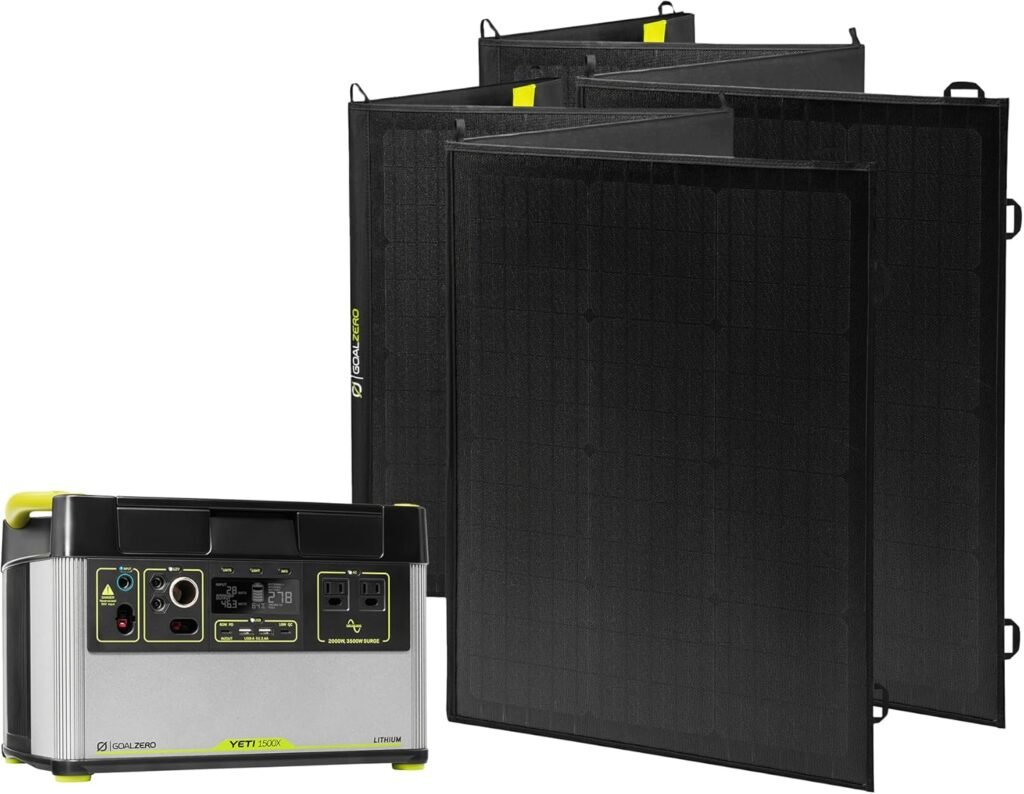
We recommend pairing the Yeti 1500X with Goal Zero solar panels or compatible panels of the right aggregate wattage and voltage characteristics. Array configuration and sunlight angle matter, and we often suggest panels that can approach the MPPT limit to maximize recharging speed during daylight hours.
Sustainable power planning
For sustained off-grid living, the Yeti can be part of a larger battery and panel ecosystem. We think of it as a reliable core unit for short-to-medium duration off-grid stays — for longer-term applications, stacking additional batteries or supplementing with more panels is a logical step.
Use Cases and Scenarios
We find the Yeti 1500X suitable across multiple use cases. Here are detailed scenarios where it shines and how we’d typically use it.
Camping and RVing
For multi-day camping trips, the capacity lets us run refrigerators, lights, phone and laptop charging, and small cooking devices. The quiet operation enhances our campsite experience, and solar recharging means we can extend stays without engine idling.
Home backup during outages
In a household outage, the Yeti can act as a critical bridge to keep essentials running: fridge, some lights, medical equipment, charging phones, and operating Wi-Fi. We’d prioritize essential circuits and manage loads to stretch runtime based on needs.
Outdoor events and remote work
Running DJs, vendors, or remote work setups benefits from the multiple ports and clean AC power. The unit’s predictability and low noise allow us to provide dependable power without the fuss of fuel or generator noise.
Practical Runtime Estimates for Common Appliances
To give a clearer picture of what 1,516 Wh means in real life, we’ve compiled a table of typical appliances and estimated run times. These are approximate and based on average wattages; we always recommend measuring actual device draw when precise planning is necessary.
| Appliance | Typical Power Draw (W) | Estimated Run Time (hours) |
|---|---|---|
| Smartphone (charging) | 10 | 100+ (many charges) |
| Laptop (USB-C) | 60 | 20–24 |
| LED lights (10 W total) | 10 | 150 |
| Mini fridge | 50–100 (avg) | 15–30 |
| Full-size refrigerator | 150–300 (avg) | 5–10 |
| Microwave | 800–1200 (when running) | Short bursts; not continuous |
| Electric grill / small heater | 1000–1500 | Short bursts; limited |
| CPAP machine | 30–60 | 20–40 |
| Portable fan | 30–100 | 15–50 |
Notes on these estimates
We base these times on continuous draw and simple division of capacity by wattage, with the understanding that appliances with compressors or heating elements have startup spikes and variable duty cycles. Refrigerators, for instance, cycle on and off, so average draws are lower than peak. We emphasize planning conservatively and managing loads.
Setup and Initial Use
We appreciate products that offer straightforward setup, and the Yeti 1500X keeps the process simple and predictable.
Out-of-box steps
Unpack the unit, read the user guide for port-specific details, and fully charge the battery before first heavy use. Install any necessary solar connectors and ensure panel orientations and connections match the MPPT requirements. We suggest checking firmware or app connectivity if Goal Zero provides monitoring tools.
Routine checks and maintenance
We keep the unit clean, store it in a cool, dry place, and avoid exposure to extreme temperatures for extended periods. Periodic top-ups and avoiding deep discharges are best practices to extend battery life.
App and Monitoring (if applicable)
Where an app is available, we value remote monitoring for checking input/output, state of charge, and update capabilities. Monitoring helps us optimize solar array placement and manage loads remotely when we’re away from the unit.
Why monitoring matters
Tracking real-time wattage and cumulative usage helps prevent surprises. We can anticipate when the battery will deplete and plan charging windows accordingly. If Goal Zero’s app includes alerts or firmware updates, that adds convenience and future-proofing.
Durability and Longevity
We assess long-term value by considering battery longevity, build durability, and serviceability.
Battery lifecycle
Tier 1 lithium cells indicate a higher-quality battery chemistry and longer cycle life. We expect useful capacity retention over years with proper care. Goal Zero historically supports product longevity with documentation and parts, which is reassuring in the event replacement components are needed.
Warranty and customer support
Goal Zero typically offers a warranty and support channels. We recommend reviewing current warranty terms to understand coverage for defects, battery degradation, and service options.
Comparison with Alternatives
We find it useful to compare features against similarly sized competitors in the portable power station market.
Strengths vs. competitors
- Higher inverter rating (2000 W) than many similar-capacity stations, allowing larger appliance support.
- 600 W MPPT solar input is generous and enables faster solar charging.
- Aluminum enclosure increases durability and premium feel.
- Quiet, clean operation without fuel hassles.
Potential trade-offs
- Weight and size are higher than lower-capacity, more portable units.
- Price may be higher than some alternatives, reflecting build quality and capacity.
- For long-term, large off-grid homes, multiple units or supplementary systems may be required.
Cost Consideration and Value
We evaluate value by comparing capabilities against cost. The Yeti 1500X sits in a premium bracket for portable power stations. Considering the inverter size, MPPT rating, and battery capacity, we view it as a solid investment for users who need reliable, relatively high-power portable electricity.
Who gets the best value
- Campers and RV users who want to run more than passive loads.
- Homeowners seeking a serious short-term backup solution without a gas generator.
- Remote workers and event organizers who need clean power and multiple ports.
Practical Tips and Best Practices
From our hands-on time, a few tips improve experience and longevity.
- Prioritize essential loads during an outage and stagger high-draw devices to avoid hitting surge limits.
- When using solar, orient panels and use panel optimizers or trackers for best daily production.
- Keep firmware and app tools updated for optimal performance and safety features.
- Avoid deep discharges and maintain the battery state-of-charge between 20–80% for long-term health when feasible.
Troubleshooting Common Issues
We compile common questions and quick fixes that have helped us stay operational.
- If the Yeti won’t charge from panels, check MC4 connections and panel orientation; confirm input voltage and wiring.
- If an appliance trips the inverter, reduce the simultaneous load or allow the inverter to cool before retrying.
- If runtime is shorter than expected, measure actual loads with a watt meter to verify draw assumptions.
Pros and Cons
We summarize the key strengths and limitations to make decision-making easier.
Pros
- High 1,516 Wh battery capacity for meaningful runtime.
- Robust 2000 W pure sine inverter with 3500 W surge for heavy appliances.
- 600 W MPPT solar input enables faster solar charging.
- Durable anodized aluminum enclosure and tier 1 lithium cells.
- Quiet, emissions-free operation suitable for indoor use.
Cons
- Heavier and bulkier than lower-capacity models, which impacts transportability.
- Costlier compared with entry-level power stations.
- Full solar recharging to MPPT maximum requires high-quality panels and ideal conditions.
Final Thoughts and Recommendation
After thorough evaluation, we consider the Goal Zero Yeti 1500X a compelling option for users who need a high-capacity portable power station that bridges the gap between small consumer units and full solar-plus-battery systems. Its combination of a strong inverter, large battery, and generous solar input makes it versatile for camping, emergency home backup, and off-grid living for short to medium durations. We recommend it to those who want quiet, clean, and dependable power and who will take advantage of solar integration to extend runtime.
Frequently Asked Questions (FAQ)
We’ll finish with a few FAQs that often help clarify specific concerns.
How long will the Yeti 1500X power a refrigerator?
Estimated times depend on the fridge’s average draw and duty cycle. A modern, efficient full-size refrigerator drawing 150–300 W could run for approximately 5–10 hours on continuous average use; duty cycles typically extend this in practice. For overnight or multi-day outages, pairing with solar panels will extend runtime considerably.
Can we run a microwave or electric grill?
Short bursts are possible thanks to the 3500 W surge rating, but prolonged use of high-wattage heating elements will deplete the battery quickly. We recommend planning short, intermittent use for high-watt appliances.
Is the unit safe to use indoors?
Yes. Since it’s battery-based and has no internal combustion, it produces no exhaust or toxic fumes, making indoor use safe as long as ventilation and normal electrical safety practices are followed.
How well does solar charging perform in cloudy conditions?
Solar charging is less effective in overcast conditions since panel output drops. The MPPT controller will still optimize the available power, but charging times will lengthen. We recommend sizing panels for typical local sunlight conditions to avoid deficits on cloudy days.
We’ve covered the Goal Zero Yeti 1500X in detail — from specs and real-world performance to setup and maintenance tips — so we can make an informed choice about whether this unit fits our needs for power on the move or in emergency situations.
Disclosure: As an Amazon Associate, I earn from qualifying purchases.