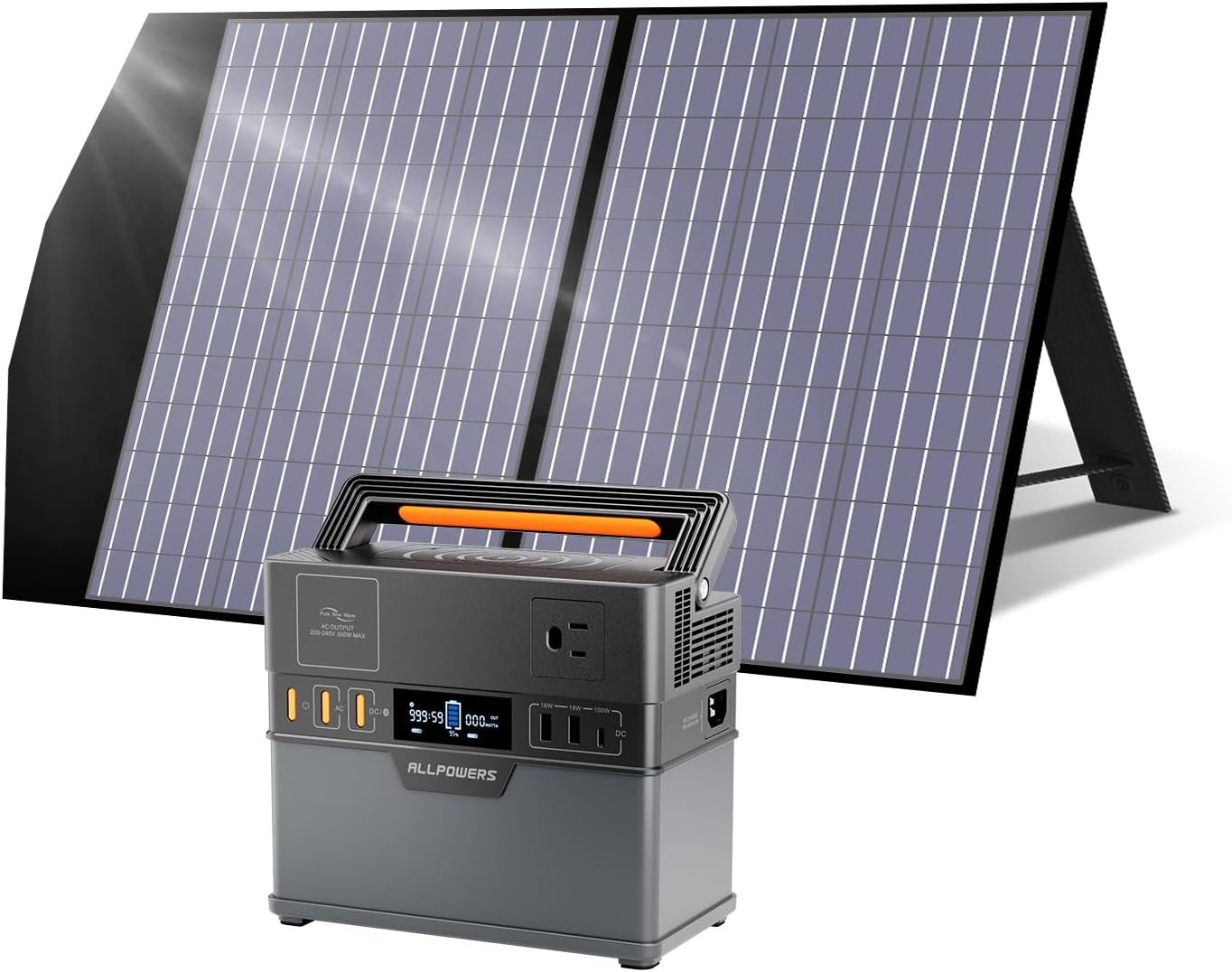
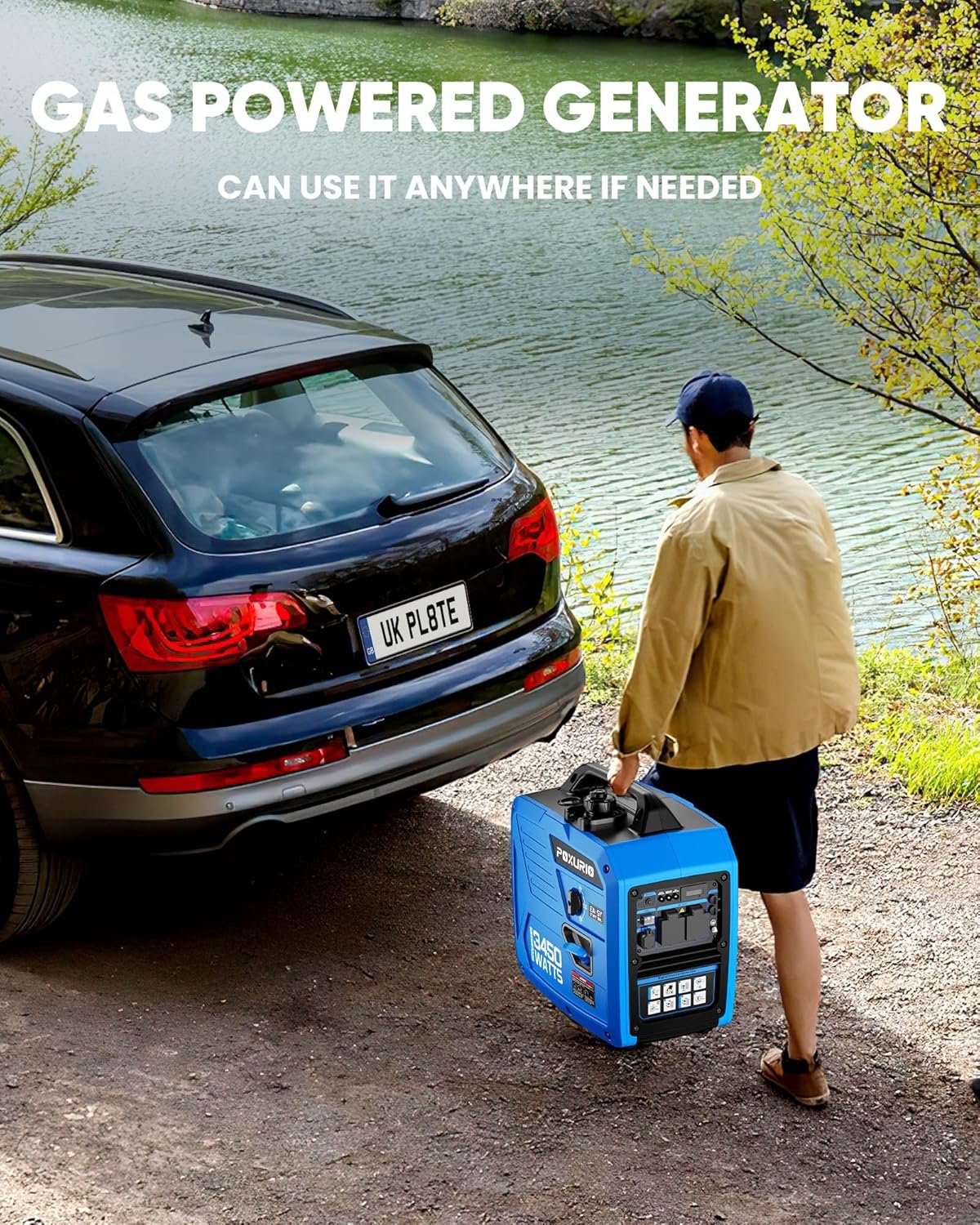
When you’re choosing between inverter and conventional portable generators, it’s essential to weigh their differences. Consider aspects like size, noise, and power quality. Inverter generators are compact, quiet, and provide clean energy, ideal for sensitive electronics. Conventional models deliver robust power but can be bulkier and noisier. Each type has strengths and weaknesses, affecting your decision based on specific needs. Wondering which generator suits your lifestyle or project best?
Size and Portability
When considering size and portability, inverter generators have a clear advantage over conventional portable generators. You’ll find that inverters are generally more compact, with small models weighing just 30 to 50 pounds. This lightweight design markedly reduces the portability challenges you might face, making them easy for one or two people to carry. Larger inverters, weighing up to 300 pounds, often come with wheels, enhancing their mobility. In contrast, conventional generators are bulky, often exceeding several hundred pounds, requiring wheel kits or trailers to move. Their metal framing and mechanical components add to the heft, complicating manual transport. The compact size of inverter generators not only aids in storage and transport but also enhances usability in various environments.
Noise Levels
While choosing between inverter and conventional portable generators, noise levels play an essential role in your decision. Inverter generators operate at 50-66 dB, comparable to a conversation, thanks to noise reduction technologies like fully enclosed engines and vibration dampers. These features make them suitable for campgrounds and residential areas with noise restrictions. Conventional models, running at 60-90 dB, are as loud as city traffic or a vacuum cleaner. The sound measurement at 7 meters reveals that each 10 dB increase doubles perceived loudness. Though some conventional units use noise reduction kits, they generally can’t match inverter quietness. Opt for an inverter if you value peace; it’s quieter and more pleasant during operation, ensuring minimal disturbance.
Power Quality and Stability
Although choosing between inverter and conventional portable generators often boils down to power quality and stability, inverter generators have a clear advantage. They deliver clean power with low total harmonic distortion (THD), protecting your sensitive electronics from power surges and voltage fluctuations. Inverter technology guarantees electrical stability and electronic compatibility by maintaining consistent voltage and frequency levels, which is vital for delicate devices like medical equipment and computers.
Inverter generators adjust engine speed based on power demand, enhancing power stability and reducing wear and tear. This adaptability minimizes power fluctuations, offering reliable power output even under varying loads. With THD levels typically below 3%, inverter generators outperform conventional models in maintaining consistent power quality, assuring your electronics function efficiently and safely without unexpected interruptions.
Fuel Efficiency and Runtime
Switching gears from power quality and stability, let’s examine fuel efficiency and runtime, which are equally important when choosing between inverter and conventional portable generators. Inverter generators excel in operational efficiency by adjusting engine speed based on load, minimizing fuel consumption. They can achieve runtimes of up to 8.9 hours per gallon at partial loads. Conventional generators, running at fixed speeds, consume more fuel especially under light loads. You’ll find that inverter models typically offer longer runtimes, ranging from 6 to 18 hours on a full tank, depending on the load and fuel type. Properly matching generator size to your typical load can enhance fuel efficiency. Remember, inverter generators dynamically align power output with demand, reducing fuel wastage and optimizing operational efficiency.
Environmental Impact and Emissions
When considering portable generators, it’s essential to compare the emissions of inverter models with conventional ones. Inverter generators offer an eco-friendly design that reduces harmful emissions and noise pollution, making them a better choice for the environment. On the other hand, conventional generators, especially those running on diesel, release more pollutants, impacting air quality and contributing to climate change.
Emissions Comparison
Inverter generators stand out for their lower emissions compared to conventional models due to their advanced technology that optimizes fuel use. They focus on emission reduction, aligning well with environmental regulations. By adjusting engine speed to match demand, inverter generators release fewer greenhouse gases and toxic exhaust gases. Conventional generators, however, run at constant speeds, consuming more fuel and producing higher emissions of carbon monoxide and other pollutants. Despite improvements in both types, safety measures like CO sensors are essential. Inverters’ fuel efficiency directly lowers emissions, making them a more environmentally friendly choice. They emit less carbon dioxide and particulate matter per kilowatt-hour than conventional models, contributing to less environmental degradation and urban air pollution.
Eco-Friendly Design
While considering the environmental impact of portable generators, the eco-friendly design of inverter models stands out due to their advanced technology and thoughtful engineering. Inverter generators optimize fuel use, reducing fossil fuel consumption and lowering emissions. Their quieter operation minimizes noise pollution, helping preserve wildlife and ecosystems. Such models often feature enhanced spill containment, decreasing the risk of soil and water contamination.
In terms of resource use, inverter generators incorporate advanced electronics, relying on specific raw materials, but their extended lifespan and repairability can offset initial resource use. Sustainable materials and eco-friendly manufacturing practices further enhance their green credentials, aiming to reduce waste and ecological footprints. Ultimately, inverter generators offer a more environmentally conscious choice, aligning with sustainable living goals.
Cost Considerations
Although inverter generators boast impressive technological advancements, they come with a heftier price tag compared to their conventional counterparts. In a cost analysis, you’ll notice pricing differences where inverter models can be two to eight times more expensive, especially those offering around 5,000 watts at about $4,000. Conventional generators, ranging from $500 to $2,000, are budget-friendly for those prioritizing upfront savings.
While inverter generators are more fuel-efficient, reducing long-term fuel costs, initial savings on fuel may not immediately offset their higher purchase price for budget-conscious buyers. Maintenance and repair costs for inverters are higher due to their complex electronics. Conventional generators, with simpler technology, offer lower repair costs, making them appealing for those seeking cost-effective long-term solutions.
Capacity Needs
When choosing between inverter and conventional portable generators, understanding your capacity needs is essential. Start by evaluating the power output you require. Inverter generators are great for small to medium loads, offering 1,000 to 7,000 watts. They’re lightweight and fuel-efficient, ideal for powering sensitive electronics. For larger demands, consider conventional generators, which provide more power, reaching tens of thousands of watts. However, they’re bulkier and use more fuel, making them less efficient for lighter loads.
Perform a load calculation to determine peak and continuous power needs. If portability and quiet operation are priorities, an inverter generator may suit you best. For high power output and heavier loads, a conventional generator could be the better choice, although noisier and less portable.
Maintenance Requirements
After determining your generator’s capacity needs, it’s important to focus on maintenance requirements to confirm longevity and reliable performance. Start with regular oil changes. Inverter generators need an oil change after the first 24 hours and every six months thereafter, while conventional models require them every 50 to 200 hours, depending on use. Always check oil levels after each run to guarantee proper lubrication.
Next, prioritize filter maintenance. Clean or replace air filters on inverter generators every 50 hours or three months; conventional types often align filter changes with oil schedules. Use warm water and detergent for cleaning, and make certain they dry completely before reinstalling. Neglecting these tasks can lead to poor performance and increased engine strain in both generator types.
Ideal Applications
When considering ideal applications for generators, you’ll find that inverter models shine in outdoor recreation and camping due to their quiet operation and portability. For home backup power, inverters offer efficient and stable electricity, protecting sensitive electronics during outages. On construction sites, conventional generators provide the raw power needed for heavy-duty tools, but inverters can still be useful for smaller devices and noise-sensitive areas.
Outdoor Recreation and Camping
Whether you’re setting up a serene campsite or commencing an adventurous trek, inverter generators are an excellent power solution for outdoor recreation and camping. Their generator features, including fuel efficiency and quiet operation, cater perfectly to camping essentials and user preferences. These generators adjust to power demands, consuming less fuel and providing longer run times, which means fewer interruptions for refueling during your outdoor adventure. The clean, stable power they offer is safe for sensitive electronics, ensuring your gadgets are protected. With a lightweight and portable design, inverters are easy to transport and set up, aligning with the needs of modern campers. Whether you’re a tent camper or an RV enthusiast, inverter generators offer adaptable solutions to enhance your camping experience.
Home Backup Power
For home backup power, inverter generators shine by delivering clean, stable electricity that’s safe for sensitive electronics like computers and medical devices. Unlike some conventional generator types, inverter models provide consistent power quality, making them ideal backup solutions for homes with automation and remote work setups. They’re quieter and more portable, fitting seamlessly into residential settings without causing noise disruptions.
While conventional portable generators might offer higher power output, their fluctuations can risk damaging electronics. Inverter generators, though typically lower in wattage, guarantee reliability and efficiency during extended outages. Their fuel efficiency means less frequent refueling, which is vital when the grid’s down. Opt for inverter models if you prioritize clean, reliable power over sheer capacity in your home backup strategy.
Construction and Heavy Duty
Given the demanding nature of construction and heavy-duty applications, choosing the right generator is vital. When portability and quiet operation are top priorities, inverter generators shine. Their compact design and lightweight build allow easy transportation across job sites. Plus, they offer essential generator features like clean power output and noise reduction, which guarantee the safe operation of sensitive electronics. The power management capabilities, such as voltage and frequency regulation, support precision tools with reliable performance. Meanwhile, conventional portable generators are ideal for powering heavy machinery and site facilities. Their robust build and high power capacity make them perfect for demanding tasks. With features like wheel kits and fuel flexibility, these generators meet the diverse needs of construction environments efficiently.