Powering Up: Solar Power Station vs Generator
Introduction to Power Solutions
For outdoor enthusiasts, preppers, off-grid homeowners, and eco-conscious individuals, having a reliable power source is essential. The two most popular options are solar power stations and traditional generators. Each of these power solutions has its own set of advantages and drawbacks, making it important to understand their differences to make an informed decision.
Overview of Solar Power Stations and Generators
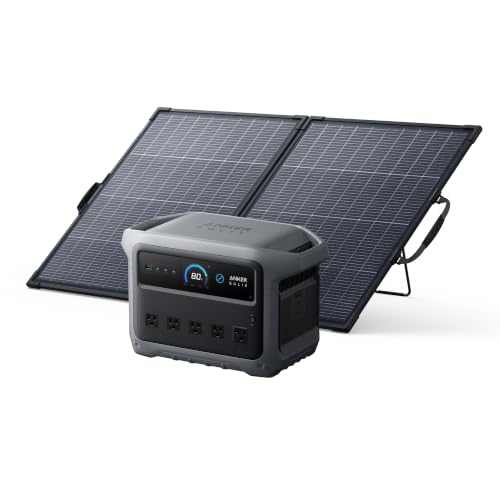
Solar power stations, also known as solar generators, harness energy from the sun through solar panels and store it in batteries for later use. These devices are praised for their eco-friendliness, quiet operation, and ability to provide clean energy. They are ideal for those who prioritize sustainability and want to minimize their carbon footprint. To learn more about how these devices work, visit our article on how does solar power generator work.
On the other hand, traditional generators, typically powered by gasoline, diesel, or propane, convert fuel into electrical energy through an internal combustion engine. These generators are known for their robust power output and reliability, especially in situations where immediate and high power is required. However, they can be noisy and emit fumes, which may not be ideal for all users. For a detailed comparison, check out our article on solar-powered generators vs. gas generators.
| Feature | Solar Power Station | Traditional Generator |
|---|---|---|
| Power Source | Solar Panels | Gasoline, Diesel, Propane |
| Emissions | None | Yes |
| Noise Level | Quiet | Noisy |
| Maintenance | Low | High |
| Suitability | Eco-conscious users, off-grid living | High power needs, immediate power |
Understanding the fundamental differences between solar power stations and traditional generators helps users determine which option best fits their specific power needs and lifestyle. For further insights on solar-powered generators, browse through our other articles.


Solar Power Stations
How Solar Power Stations Work
Solar power stations convert sunlight into electrical energy using photovoltaic (PV) panels. These panels, made from semiconductor materials like silicon, absorb sunlight and generate direct current (DC) electricity. This DC power is then converted into alternating current (AC) electricity by an inverter, making it suitable for household appliances and other electrical devices.
The energy generated by the solar panels is stored in batteries for later use. This stored energy can be utilized during periods without sunlight, such as nighttime or cloudy days. The typical components of a solar power station include solar panels, an inverter, batteries, and a charge controller, which regulates the flow of electricity to prevent battery overcharging.
| Component | Function |
|---|---|
| Solar Panels | Convert sunlight into DC electricity |
| Inverter | Converts DC electricity to AC electricity |
| Batteries | Store energy for use when sunlight is unavailable |
| Charge Controller | Regulates electricity flow to protect batteries |
For more details on how these systems function, visit our article on how does solar power generator work.
Pros and Cons of Solar Power Stations
Solar power stations offer a range of benefits and some drawbacks. Understanding these can help in making an informed decision when comparing them to traditional generators.
Pros:
- Eco-Friendly: Solar power stations produce clean energy, reducing carbon footprint and contributing to environmental conservation. Learn more about the eco-friendly benefits of solar-powered generators.
- Quiet Operation: Unlike traditional generators, solar power stations operate silently, making them ideal for use in noise-sensitive environments. For further information, read do solar powered generators make noise.
- Low Maintenance: With fewer moving parts, solar power stations require minimal maintenance compared to traditional generators.
- Renewable Energy Source: Solar energy is abundant and renewable, providing a sustainable power solution.
Cons:
- Initial Cost: The upfront cost of installing a solar power station can be high. For a detailed analysis, check out how much do solar powered generators cost.
- Weather Dependent: Solar power generation is dependent on sunlight, making it less reliable in cloudy or rainy conditions. Learn about factors affecting the efficiency of solar charging.
- Energy Storage: The capacity of batteries can limit the amount of energy stored, which may not be sufficient for high energy demands. Explore more on battery capacity of solar generators.
For a comprehensive comparison between solar power stations and traditional generators, visit our article on solar-powered generators vs. gas generators.


Generators
How Generators Work
Generators convert mechanical energy into electrical energy using an internal combustion engine. The engine burns fuel, such as gasoline, diesel, or propane, to create rotational energy. This rotational energy drives the generator’s alternator, producing electrical current. The electricity generated can then be used to power appliances, tools, and other devices.
The main components of a generator include:
- Engine: The source of mechanical energy.
- Alternator: Converts mechanical energy into electrical energy.
- Fuel System: Supplies fuel to the engine.
- Voltage Regulator: Maintains a constant voltage level.
- Cooling and Exhaust Systems: Prevents overheating and removes exhaust gases.
- Lubrication System: Ensures smooth operation of moving parts.
- Battery Charger: Keeps the starter battery charged.
- Control Panel: Manages the generator’s operation.
Pros and Cons of Generators
Pros
- High Power Output: Generators can deliver a significant amount of power, making them suitable for heavy-duty applications.
- Reliability: Generators provide a consistent power supply, which is crucial during emergencies and power outages.
- Fuel Flexibility: Generators can run on various fuels, including gasoline, diesel, propane, and natural gas.
- Portability: Many generators are designed to be portable, making them ideal for outdoor activities and off-grid living.
Cons
- Noise: Generators can be quite loud, which can be disruptive, especially in quiet environments. For quieter options, explore our article on are solar powered generators quiet.
- Emissions: Generators produce exhaust emissions, contributing to air pollution and requiring proper ventilation.
- Fuel Dependency: Generators rely on a continuous supply of fuel, which can be expensive and difficult to store.
- Maintenance: Generators require regular maintenance, including oil changes, filter replacements, and fuel system checks.
| Pros | Cons |
|---|---|
| High Power Output | Noise |
| Reliability | Emissions |
| Fuel Flexibility | Fuel Dependency |
| Portability | Maintenance |
Generators offer a robust power solution for various needs but come with their own set of challenges. For a more eco-friendly and quieter alternative, consider exploring solar-powered generators. Understanding the pros and cons of each option will help you make an informed decision suitable for your specific requirements.
Choosing the Right Power Solution
Selecting the appropriate power solution between a solar power station and a generator depends on various factors. This section delves into the critical considerations, application suitability, and long-term costs associated with each option.
Factors to Consider
When deciding between a solar power station and a generator, consider the following factors:
- Power Output: Determine the wattage required for your devices or appliances.
- Portability: Assess how easily you can transport the power solution.
- Environmental Impact: Consider the eco-friendliness of each option.
- Noise Level: Evaluate the noise produced during operation.
- Fuel/Charging Requirements: Understand the fuel or charging needs.
| Factor | Solar Power Station | Generator |
|---|---|---|
| Power Output | Moderate, depending on battery capacity | High, suitable for heavy-duty use |
| Portability | Lightweight, easy to transport | Varies, often heavier and bulkier |
| Environmental Impact | Eco-friendly, no emissions | Produces emissions, less eco-friendly |
| Noise Level | Quiet operation | Noisy |
| Fuel/Charging Requirements | Requires sunlight or electric charging | Requires fuel (gasoline, diesel) |
Application and Suitability
The suitability of a solar power station versus a generator depends on specific applications and use cases:
- Outdoor Enthusiasts: For camping, hiking, and other outdoor activities, a solar power station is ideal due to its portability and quiet operation. Solar power stations can keep essential devices charged without the noise and emissions of a generator. For more on this, see solar power generator outdoor.
- Preppers and Survivalists: A generator may be more suitable for emergency power due to its high power output and reliability in various weather conditions. However, solar power stations can still serve as a backup to ensure sustainability.
- Off-Grid Homeowners: For off-grid living, a combination of both might be optimal. Solar power stations provide a sustainable solution for daily use, while generators can serve as a backup during prolonged cloudy periods. Explore solar powered generators for home for more insights.
- Eco-Conscious Individuals: Solar power stations align with eco-friendly values by utilizing renewable energy and producing no emissions. They are ideal for reducing carbon footprints. Learn more about the eco-friendly benefits of solar-powered generators.
Maintenance and Long-Term Costs
Maintenance and long-term costs are crucial when choosing between a solar power station and a generator:
- Maintenance: Solar power stations have fewer moving parts, resulting in minimal maintenance. Generators, on the other hand, require regular maintenance such as oil changes, fuel replacement, and engine checks. For maintenance tips, visit solar generator maintenance tips.
- Long-Term Costs: Initial costs for solar power stations might be higher, but they do not incur ongoing fuel costs. Generators have lower upfront costs but require continuous spending on fuel. Consider the long-term savings with solar power in the cost-effectiveness of solar generators.
| Aspect | Solar Power Station | Generator |
|---|---|---|
| Maintenance Requirements | Low, occasional battery checks | High, regular engine and fuel maintenance |
| Long-Term Fuel Costs | None, relies on renewable energy | High, ongoing fuel expenses |
| Initial Investment | Higher, but with potential savings over time | Lower, but with ongoing costs |
Choosing the right power solution is a balance between immediate needs, long-term goals, and environmental considerations. By carefully weighing these factors, individuals can make an informed decision that best suits their lifestyle and values. For more guidance, explore our articles on how to choose a solar generator and key considerations when buying a solar-powered generator.

