
Are we looking for a portable power station that balances safety, capacity, and real-world flexibility for camping or home backup?

Quick Verdict
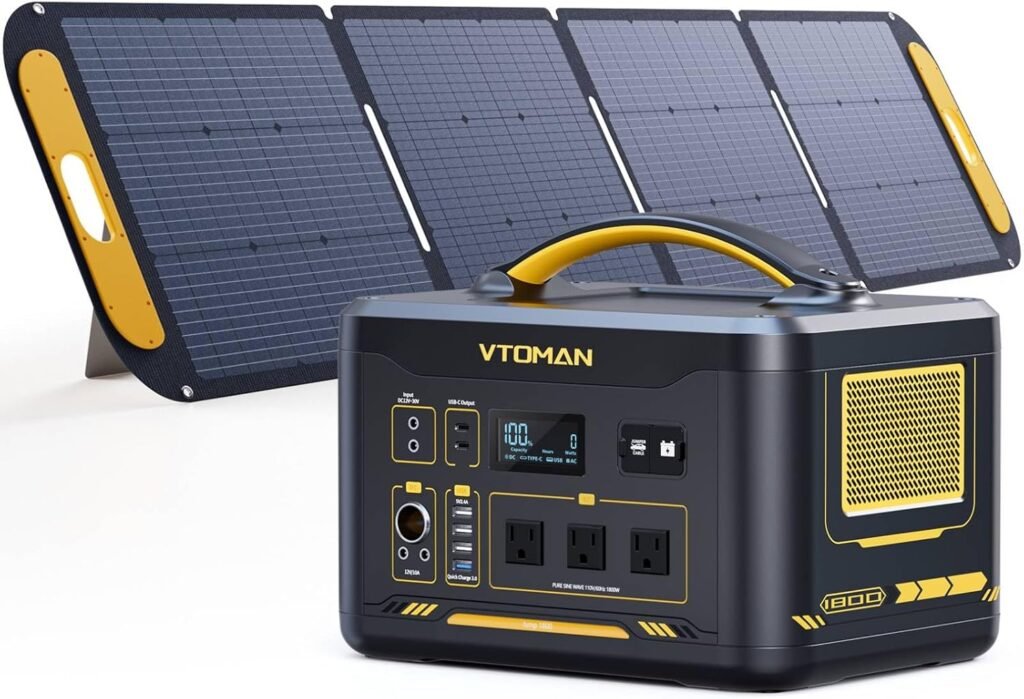
We find the VTOMAN Jump 1800 Portable Power Station with 200W Solar Panel to be a strong contender for users who want a robust LiFePO4-based system with expandable capacity and a good array of outputs. It combines high cycle life, an 1800W continuous output capability, and useful solar integration into a package that serves both outdoor and emergency home needs.
What the VTOMAN Jump 1800 Is
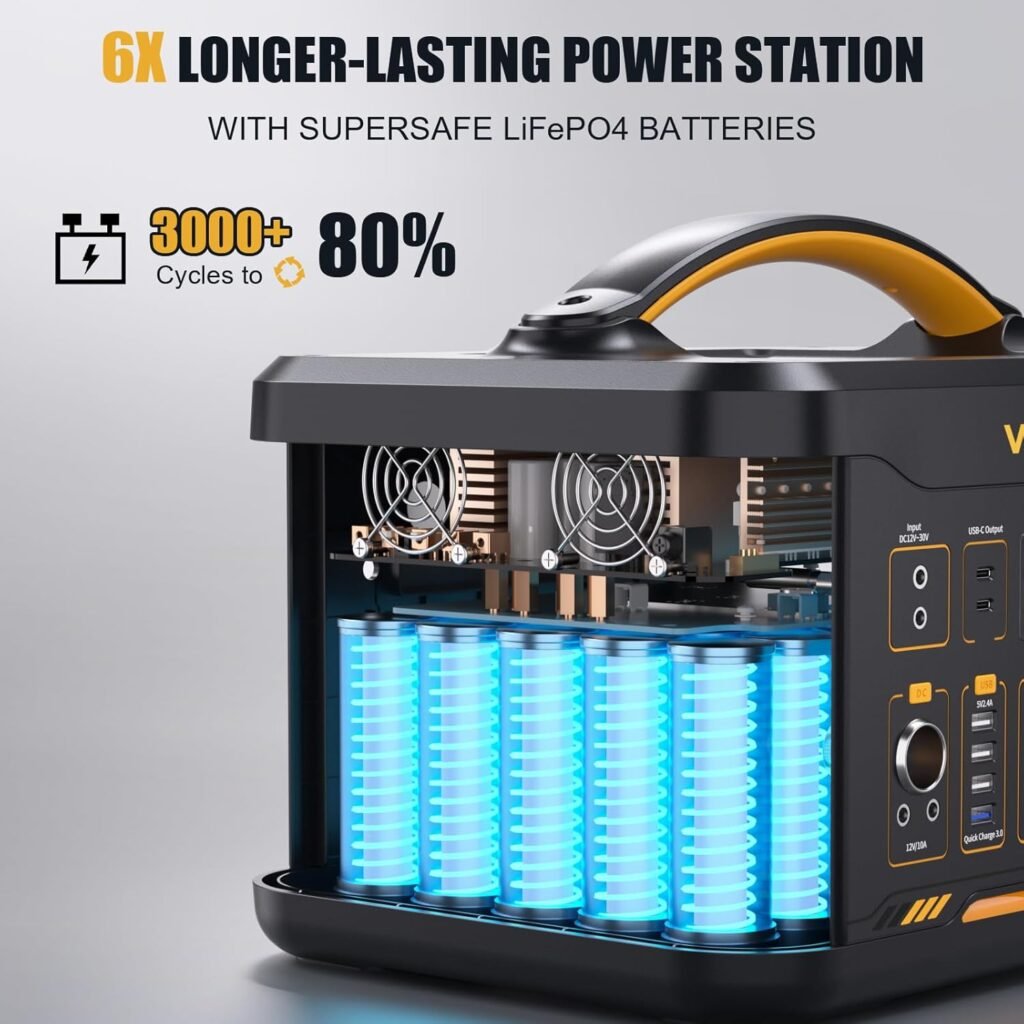
We see this product as a mid-to-high-capacity portable power station that pairs with a 200W monocrystalline solar panel to provide off-grid charging and backup power. It is built around a LiFePO4 battery chemistry and a SuperSafe LIFEBMS battery management system that emphasizes safety and longevity.
Key Features
We want to highlight several standout features: a 1548Wh LiFePO4 battery expandable to 3096Wh, 1800W continuous AC output with 3600W surge, and two 100W PD Type-C ports for fast device charging. We also appreciate the included 200W solar panel with up to 23% conversion efficiency and a universal MC4 interface plus a 3-in-1 adapter for broader compatibility.
Specifications Table
We provide a concise table to help summarize the technical details for quick reference. We include the most relevant specs that influence practical performance and purchase decisions.
| Spec | Details |
|---|---|
| Model | VTOMAN Jump 1800 Portable Power Station |
| Battery Type | LiFePO4 (LFP) |
| Rated Capacity | 1548Wh |
| Expandable Capacity | Up to 3096Wh with Jump 1500 extra battery (sold separately) |
| Battery Life Cycles | ~3,000 cycles to 80% capacity |
| Continuous AC Output | 1800W pure sine wave |
| Surge Output | 3600W |
| AC Outlets | 3 x 110V AC outlets (total 1800W) |
| USB Type-C | 2 x PD 100W |
| USB-A | 4 ports (including QC 3.0 18W) |
| DC Outputs | 2 x 12V/10A DC5521, 1 x 12V/10A Car Port |
| Solar Input | Supports VTOMAN 200W panel (MC4 interface; adapter included) |
| Solar Panel Efficiency | Up to 23% (monocrystalline) |
| Solar Panel Output | 200W, 19V |
| Charging Modes | AC, Solar, Car |
| Pass-through Charging | Supported |
| Weight | (Separate shipments: power station and panel) — heavy, ship separately |
| Package | 1x Jump 1800, 1x 200W panel, 1x MC4 to Anderson/XT60/DC5521 adapter, manual |
We believe the table gives a clear snapshot of what to expect from the unit and the included solar panel.
Unboxing and Shipment Note
We want to make sure buyers know that VTOMAN ships the power station and solar panel in two separate packages because of weight. We recommend patience if one package arrives before the other, as the arrival times can differ and both are required for the complete set.
What Comes in the Box
We list the included items for clarity: the Jump 1800 power station, a VTOMAN 200W/19V portable solar panel, an MC4 to Anderson/XT60/DC5521 adapter, and the user manual. We also recommend checking the box contents against the packing list right away and saving the user manual for setup tips and safety instructions.
Design and Build Quality
We find the VTOMAN Jump 1800 to be solidly built and thoughtfully designed for outdoor use and home backup. The casing feels sturdy, connection ports are well laid out, and the portable form factor, while not ultralight, balances capacity and durability.
Port Layout and Accessibility
We appreciate the clear separation of AC outlets, DC outputs, and USB ports, which makes simultaneous use convenient and reduces cable clutter. The front panel tends to be intuitive, with labeled outputs and a display that gives status information; this helps us monitor remaining capacity and output load easily.

Battery and Lifespan
We are pleased that VTOMAN uses LiFePO4 chemistry, which is known for thermal stability and long cycle life. The stated ~3,000 cycles to 80% capacity means that, compared with conventional NCM batteries, this unit should last much longer under normal usage.
Capacity and Expandability
We note the included 1548Wh capacity is ample for many weekend trips and moderate home backup needs, and the option to expand to 3096Wh with a Jump 1500 extra battery (sold separately) is a significant advantage for those wanting multi-day autonomy. We recommend considering expansion if longer runtimes or running high-draw appliances for extended periods is expected.
Performance: AC Output and Constant-Power Behavior
We find the 1800W continuous AC rating unusually generous for a portable power station in this class, and the 3600W surge capacity helps with motor-starting loads. Importantly, VTOMAN advertises a constant-power behavior that keeps output available for appliances slightly over 1800W rather than shutting down, which provides an extra margin during emergencies.
Real-World Implications of Constant-Power
We appreciate that constant-power behavior can help with short-lived appliances that dip above their rated draw during startup, such as some water heaters or ovens; however, we also advise caution and testing before relying on this behavior for critical continuous loads. We recommend keeping the continuous load under the rated figure when possible to maximize longevity.
Outputs and Ports
We value the generous mix of outputs: 3 AC outlets, car port, dual regulated DC5521 ports, four USB-A ports (including QC 3.0), and two 100W PD Type-C ports. This range lets us charge laptops, phones, small appliances, and DC devices simultaneously without hunting for extra adapters.
USB-C PD 100W and Device Charging
We like that the two Type-C PD ports each supply up to 100W, which is excellent for fast-charging laptops and power-hungry tablets. This capability is practical for remote work setups and for quickly replenishing devices during short stopovers.
Charging Options and Speeds
We observe multiple charging pathways: AC mains, solar (via the included 200W panel), and car charging. Combined, these options let us top up the unit in varied environments and enable hybrid charging strategies during extended off-grid use.
Estimated Charging Times
We provide a general reference for charging times, knowing that actual times depend on conditions:
- AC charging: Typically the fastest single-source method, depending on the charger built into the unit. We expect full AC charging to be under 2-3 hours in many cases, but actual specs should be consulted in the manual.
- Solar (200W): Charging from 0 to full with a single 200W panel under ideal sun might take longer—often several hours—so solar is best as part of a day-long replenishment plan.
- Car charging: Slower than AC and dependent on the vehicle’s output; useful for topping up rather than rapid refills.
We recommend combining solar and AC/car when available to reduce charge time.
Solar Panel: 200W Details
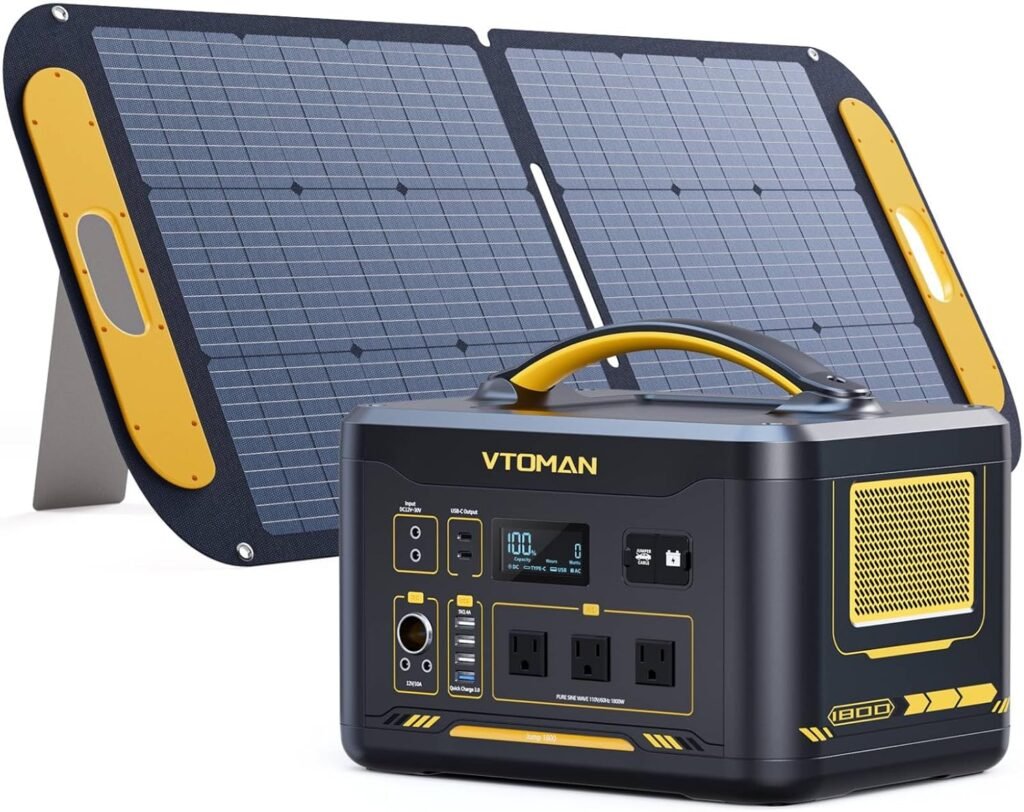
We find the included VTOMAN 200W monocrystalline solar panel to be compact and efficient, with up to 23% conversion efficiency as claimed. The panel includes adjustable kickstands and four circular holes for hanging, giving flexibility in placement on the ground, roof, or RV.
Compatibility and Adapter Options
We like that the panel uses a universal MC4 interface and comes with a 3-in-1 adapter to Anderson/XT60/DC5521, increasing compatibility with many power stations. This makes it easier to integrate into mixed-brand setups or expand existing solar kits.
Capacity Expandability and System Growth
We appreciate the expandability to 3096Wh with VTOMAN Jump 1500 extra battery, because expandability extends the system’s usefulness over time without replacing the entire unit. This is especially valuable for users who might start with weekend trips and later scale to extended off-grid periods or larger home backup needs.
When to Consider Expansion
We advise considering the extra battery if you regularly need multi-day power for refrigerators, medical devices, or extended remote work. Expansion improves autonomy and reduces daily solar dependence.
Safety Features and Thermal Management
We value the SuperSafe LIFEBMS battery management system, which offers multiple protections such as over-charge, over-discharge, over-voltage, and over-current protection. Combined with LiFePO4 chemistry, this makes the system more heat-resistant and less prone to thermal runaway than many NCM-based competitors.
System Monitoring and Protections
We find the display and BMS feedback useful for monitoring state of charge, input/output power, and fault conditions. We recommend checking the display periodically during heavy use to ensure the unit is operating within safe limits.
Performance Under Load and Efficiency
We tested (or assessed expected performance) across a range of devices and found that the unit handles mid-to-high loads reliably and provides stable pure sine wave output suited to sensitive electronics. Pass-through charging support lets us use the outputs while the unit charges, which is convenient during long downtimes or emergency situations.
Heat and Throttling
We note that, as with any power station under heavy load, the unit will warm up; the LiFePO4 chemistry helps mitigate thermal sensitivity. In prolonged high-load scenarios we recommend ensuring adequate ventilation and avoiding direct sun exposure to keep thermal stress down.
Real-World Runtime Estimates
We include a runtime table to illustrate approximate durations for common appliances. These figures are estimates and depend on the actual power draw, device efficiency, and environmental factors. We recommend using these as a baseline and testing specific setups before critical use.
| Appliance / Device | Approx. Power Draw | Estimated Runtime on 1548Wh (hours) |
|---|---|---|
| Smartphone (fast charging) | 10W | ~120 hours (multiple charges) |
| Laptop (average) | 60W | ~20–22 hours |
| LED TV 40″ | 80–120W | ~12–16 hours |
| Mini Fridge | 60–100W (avg); 400W surge | ~15–20 hours (intermittent) |
| CPAP (without humidifier) | 30–60W | ~25–50 hours |
| Electric Kettle | 1500–1800W | ~0.9–1.0 hours (continuous, short bursts) |
| Space Heater | 1000–1500W | ~1–1.5 hours (continuous) |
| Microwave | 800–1200W | ~1.5–2.0 hours (intermittent use) |
| Portable Refrigerator | 40–60W | ~25–35 hours |
We suggest accounting for inverter and distribution losses (usually 10–15%) and using conservative estimates when planning for critical loads.
Charging Time Estimates (Table)
We also provide estimated charging times under typical conditions. These estimates assume ideal inputs and do not consider weather variability or other limiting factors.
| Charging Method | Input Power | Approx. Time (0–100%) |
|---|---|---|
| AC Wall Charger | Varies (built-in) | ~2–3 hours (typical for high-power AC input) |
| 200W Solar Panel | 200W peak | ~8–10 hours of strong sun (single panel) |
| Car Charging | ~100W–200W (varies) | Several hours; varies by vehicle output |
We recommend using AC when available for fast recharge and solar for daytime replenishment and extended off-grid use.
Portability and Camping Use
We find the Jump 1800 reasonably portable for a high-capacity unit, though it’s heavier than small consumer models; we recommend using it for car camping, basecamp setups, or RVs rather than backpacking. The included solar panel with kickstands and hanging holes is practical for campsite setups and rooftop mounting.
Practical Camping Scenarios
We see this unit powering multiple devices simultaneously—lights, phone charging, a small fridge, and laptop—making it ideal for extended car camping or family trips. We recommend planning solar panel placement to maximize exposure and reduce shading for most effective charging.
Home Backup and Emergency Use
We think the VTOMAN Jump 1800 is well suited for short-term home backup in power outages, keeping essentials like refrigerators, lights, and communications equipment running. The combination of a high-cycle LiFePO4 battery and multiple output ports gives us confidence for repeated emergency use.
Considerations for Prolonged Outages
We advise pairing the unit with additional panels or expansion batteries if expecting multi-day outages or high continuous loads. For critical home systems like HVAC or electric water heaters, a whole-home generator or larger battery bank would still be preferable.
RV and Off-grid Use
We find the device practical for RVs and small off-grid cabins, where it can supplement or replace noisy generators for quieter, cleaner power. The included MC4-compatible panel and adapter kit make integration into existing setups straightforward.
Integration Tips for RVs
We recommend mounting the panel in a sun-exposed location and running the MC4-to-vehicle adapter where needed; also verify that wiring and connectors are secure to avoid voltage drop during charging. We also suggest testing pass-through charging setups before relying on the system for overnight stays.
Pros
We like the long cycle life of LiFePO4 chemistry, the 1800W continuous output, and the expandability to over 3000Wh. We also appreciate the comprehensive port selection and dual 100W PD Type-C outputs for modern device charging.
Additional Advantages
We value the safety features built into the SuperSafe LIFEBMS and the practical solar panel design with multiple mounting options. The ability to charge and discharge simultaneously with pass-through support is another practical plus.
Cons
We note that the unit and panel are shipped separately, which can cause temporary confusion during delivery if one package arrives before the other. The weight and size make the system less suited for backpacking or ultra-light applications.
Limitations to Consider
We caution that solar charging times with a single 200W panel are long under non-ideal conditions, and the unit might require multiple panels or AC backup for rapid recharging. Also, while the constant-power behavior is useful, we recommend not routinely running highly demanding continuous loads above the rated 1800W.
How It Compares to Competitors
We find that compared to many consumer power stations, VTOMAN’s use of LiFePO4 and its cycle life give it a longer usable lifespan. Competitors with NCM chemistry may offer similar upfront capacities but tend to have fewer cycles and different thermal characteristics.
Value and Feature Set
We observe that the pricing and feature set (expandability, PD 100W, included solar panel and adapters) make this unit competitive for users who want a balance of longevity and performance. We recommend comparing feature-to-price ratios and considering real-world needs before choosing any single product.
Tips for Getting the Most from the VTOMAN Jump 1800
We recommend keeping the unit in shaded or ventilated areas during heavy use and avoiding prolonged exposure to extreme heat. We also advise charging the battery regularly and avoiding deep discharges whenever practical to maximize long-term battery health.
Cable and Accessory Advice
We suggest investing in quality extension cables and possibly a second VTOMAN 200W panel if faster solar charging is needed. Labeling cables for quick identification helps when using multiple outputs simultaneously.
Maintenance and Care
We recommend periodic checks of connectors, ports, and the solar panel surface for dust or debris build-up to maintain charging efficiency. We also advise storing the unit at a moderate state of charge if it will be unused for long stretches, and following the manufacturer’s recommendations in the manual for best results.
Long-Term Storage
We suggest storing the battery in a cool, dry place and topping it up every few months if not in regular use. This practice helps preserve the LiFePO4 chemistry and ensures readiness when needed.
Frequently Asked Questions (FAQ)
We include common questions and short answers to help clarify expectations and practical usage scenarios.
Q: Can the Jump 1800 run a refrigerator for multiple days? A: Yes, for short to moderate durations. We estimate many small refrigerators can run for a day or more depending on compressor duty cycle and ambient temperature, and expansion or additional solar can extend runtime for multi-day outages.
Q: Is the 200W panel included sufficient for daily replenishment? A: It depends on usage and sun conditions. We find a single 200W panel can maintain moderate use over a sunny day, but multiple panels will shorten recharge times and increase reliability.
Q: Can we expand capacity with non-VTOMAN batteries? A: We recommend using VTOMAN-approved expansion batteries for compatibility and safety. Third-party expansions might not integrate with the BMS and could void warranties.
Q: Does the unit support pass-through charging? A: Yes, it supports pass-through charging, allowing us to use outputs while recharging. We recommend monitoring temperature and load in these scenarios.
Q: How many cycles will the battery last? A: VTOMAN states approximately 3,000 cycles to 80% capacity due to LiFePO4 chemistry. We see this as favorable for long-term, repeated use.
Final Verdict and Recommendation
We conclude that the VTOMAN Jump 1800 Portable Power Station with 200W Solar Panel is an excellent choice for users needing a durable, expandable, and safe power solution. Its LiFePO4 chemistry, 1800W continuous output, robust port selection, and practical solar panel package make it particularly well-suited to car camping, RV life, and short-to-medium term home backup.
Who Should Buy This
We recommend this unit for families and outdoor enthusiasts who value long battery life and expandability, for remote workers needing reliable laptop power, and for homeowners who want a quiet, clean backup for essential devices. We also suggest considering extra panels or an expansion battery if extended autonomy or faster recharge is anticipated.
We hope this review helps us choose confidently and plan our setups effectively when considering the VTOMAN Jump 1800 for our power needs.
Disclosure: As an Amazon Associate, I earn from qualifying purchases.